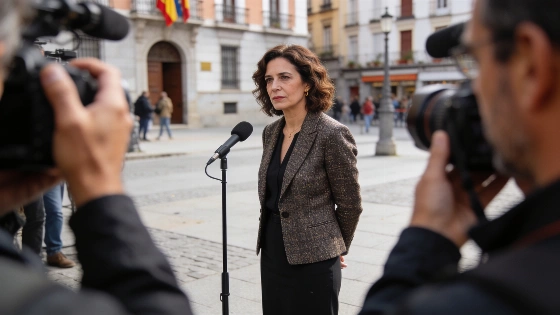
Madrid’s public-school teachers had been on indefinite strike for 27 days. During that time, Isabel Díaz Ayuso had met Argentina’s president twice in less than a month. She had also met Chile’s president and organisers of the NFL match in Madrid. El HuffPost reported that she had not met the striking teachers.
The protest began on 14 October. Its organisers were still seeking meetings with Ayuso and Mercedes Zarzalejo, the regional education minister. The Community of Madrid says negotiations should take place through the Education Sectoral Table, where ANPE, CSIF, CCOO and UGT have representation. On 5 November, at least nine teachers staged a sit-in at the Education Department’s Directorate-General for Human Resources, pressing Zarzalejo for an in-person negotiation.
That process does not include every group involved in the call for action. CNT, Solidaridad Obrera and STEM are also among the convenors. The teacher platforms Educación Especial Digna, Menos Lectivas and Queremos FP are involved as well. The difference matters: the regional government points to an established negotiating forum, while strike organisers are seeking direct talks with the president and minister. Teachers and families also occupied a school in Vallecas, after an urgent request for negotiations was made on 26 October.
The demands include maximum class sizes of 20 pupils in secondary education, 23 in bachillerato and 13 in infant education. The unions also seek limits of 15 in primary and 15 in vocational training. Teachers want fewer teaching hours: 17 a week in secondary and 22 in primary, compared with 21 and 25 respectively at the time of the report. A separate strike-committee workload proposal reported by RUSSPAIN set out reductions from 19 to 17 weekly hours for secondary, vocational and special-regime teachers, and from 25 to 22 for early-years and primary teachers.
They are also calling for better pay and working conditions, suitable classrooms with adequate temperature control, less paperwork and more resources for special education. A reported pay demand includes a monthly increase of €600. The report said Ayuso had addressed the teachers by calling them “violent”, a characterisation the source attributes to her.
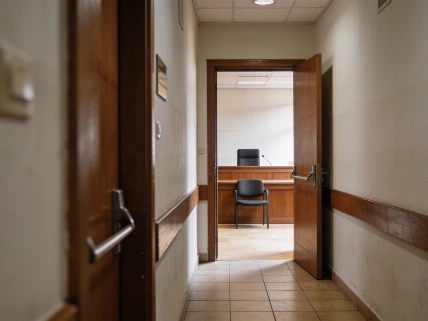
Madrid’s minimum-service rules for infant and primary education required one teacher for every 50 pupils or fraction. In compulsory secondary and basic vocational education, the reported threshold was one additional teacher for every 90 pupils or fraction. These are strike-related minimum-service staffing requirements, separate from the class-size limits sought by the unions. On 7 October, Zarzalejo issued Order 4252/2026 establishing essential minimum services in public non-university educational centres. CCOO, CGT’s teaching union, CNT’s Villaverde Alto union, Solidaridad Obrera and UGT Servicios Públicos de Madrid challenged the order. On 10 November, Madrid’s official gazette published notice of the ongoing case before Section Eight of the Superior Court of Justice of Madrid. Affected parties were given five days to appear.
On 5 November, thousands of people marched from Atocha to Sol in a wider public-education mobilisation involving teachers, university students and workers. Teachers from early childhood, primary, secondary and baccalaureate education joined the demonstration. It also called for public-education funding and negotiations with the regional government.
El HuffPost’s online game offers more than 100 possible responses to the question of whether the meeting has taken place. None of its answers was affirmative at the time described. The article also noted that teachers lose pay for each day they strike.
RUSSPAIN has separately covered political proposals in Spain, including Feijóo’s migration proposals. The Madrid dispute centres on education negotiations and the terms sought by striking teachers.