A man in Málaga has admitted to killing and dismembering his friend in 2020. The suspect, inspired by TV series like Dexter, led police to several sites, but most remains are still missing. The investigation faced major delays.
The investigation into the disappearance of Francisco José Agüera in Coín, Málaga, has taken a dramatic turn after a 65-year-old man confessed to his murder and dismemberment. The case, which began with Agüera's unexplained absence during the 2020 lockdown, remained unsolved for years due to a lack of evidence and the victim's unconventional lifestyle. Only in 2025 did the discovery of a human skull in a plastic bag near the Pinos de Alhaurín urbanization reignite police efforts.
Initially, forensic analysis misidentified the remains as female, delaying progress. It was not until early 2026 that advanced genetic testing confirmed the skull belonged to Agüera. This breakthrough allowed the Guardia Civil's homicide unit to focus their investigation, despite the significant time lapse since the crime. Interviews with friends and family narrowed the list of suspects, eventually pointing to a close acquaintance whose sister lived near the site where the skull was found.
When first questioned, the suspect denied involvement, referencing his knowledge of crime series like CSI and Dexter, claiming investigators would find no evidence. However, after further technological surveillance and mounting proof, he broke down and confessed. He claimed the killing resulted from a fight over suspected theft, but authorities remain skeptical of this version. What is clear is that the suspect meticulously prepared his home, covering surfaces with plastic before dismembering the body over several days, then sealing each part in multiple layers of bags along with the latex gloves he used.
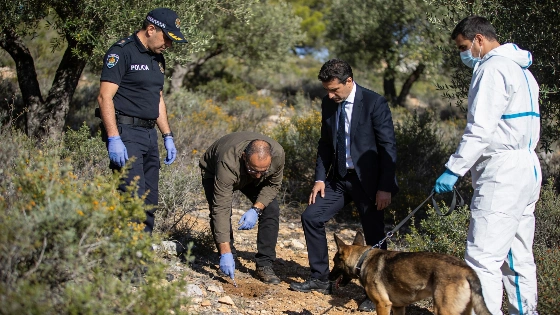
The remains were distributed across various locations in Alhaurín de la Torre, with the suspect even wrapping his car interior in plastic to avoid leaving biological traces. Despite extensive forensic searches, including the use of specialized dogs, most of Agüera's remains have not been recovered. The suspect, now in custody, guided police to several sites, including a small cave and an area where the torso was found, but some locations are now inaccessible due to new construction.
This case highlights the challenges faced by Spanish authorities in solving long-term disappearances, especially when initial risk assessments are low and evidence is scarce. The use of television crime series as inspiration for real-life concealment methods is not unprecedented, but the level of detail in this case stands out. For further context on similar investigations in the region, see this report on a related confession and discovery of remains in Alhaurín de la Torre: detailed coverage of the earlier breakthrough.
Spain has seen a rise in cold cases being reopened thanks to advances in forensic science, particularly DNA analysis. The Agüera case underscores the importance of persistent investigative work and the difficulties posed by delayed reporting and missing evidence. While the main suspect is now facing homicide charges, the search for all of Agüera's remains continues, offering a stark reminder of the complexities involved in such investigations and the impact on victims' families.