To test TikTok’s reporting channel, the Spanish organisation Maldita.es submitted 50 videos depicting child sexual abuse. TikTok removed five, or 10% of the sample, and blocked another 13 only in Spain. It classified 29 as non-infringing; three cases were pending review or received no response. Three days after the report, 40% of the accounts that had posted the videos remained active, according to the organisation.
That sample came from a much larger investigation conducted over 35 days, from 11 September to 15 October 2026. Maldita.es examined TikTok’s recommendation systems, search tools, livestreams and public comments, then followed links leading to Telegram and Zangi. It says it identified 1,183 explicit videos and images with about 48 million views, as well as more than 26,000 profiles that allegedly commented on or shared the material. The Spanish-language portion included 12,068 comments from 7,725 profiles. Many appeared to be based in Spain, the organisation says. The investigation classified these profiles as potential offenders, not people with confirmed convictions.
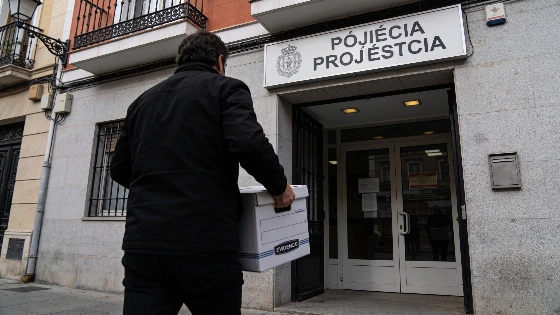
Maldita.es filed a complaint with Spain’s Fiscalía de Criminalidad Informática, submitting screenshots, videos and documentation intended to preserve the evidence. The organisation says it had previously published two investigations into child sexual exploitation on the platform. It argues that TikTok’s handling of the material also fails to meet the European Union’s Digital Services Act, which requires very large platforms to assess and mitigate systemic risks, including risks to minors and those involving illegal content.
The complaint comes amid broader EU scrutiny of TikTok. The European Commission opened formal Digital Services Act proceedings on 19 February 2024, examining issues including the protection of minors, addictive design, advertising transparency and researchers’ access to public data. On 6 November 2026, the Commission issued preliminary findings that TikTok’s recommender system could create a harmful “rabbit-hole” effect. It said the company had failed to implement proportionate, reasonable and effective measures to mitigate the identified risks. Those findings are preliminary, not a final infringement decision.
TikTok asked Maldita.es for more information, the organisation says, but did not answer its questions about child-safety measures, the failures identified or illegal content on the service. In its 50-video test, the platform reported five removals, 13 Spain-only blocks, 29 non-infringing determinations and three pending or unanswered cases. The complaint and the investigation’s findings now sit alongside a limited account of the platform’s response.
The report also traces how the material circulated beyond TikTok. Maldita.es says some accounts directed users to Telegram and Zangi, where sellers offered child sexual abuse material. The investigation found automated Telegram groups with thousands of followers, as well as networks spanning Spain, Latin America, Europe and Southeast Asia.
In Spain, the organisation observed sexual harassment in public TikTok Live chats involving teenagers and young adults. The platform’s notice says creators must be over 18 to broadcast and viewers must be over 18 to top up and send gifts. Maldita.es says some participants were underage. It also reports that TikTok takes a commission from gifts sent during live broadcasts.
The investigation found accounts using text layered over images, small insets showing parts of abusive material or large emojis to evade TikTok’s controls. Maldita.es also identified a TikTok community called “Team 94”, with about 2,000 followers, which it linked to a US baby rapist now in prison. The report says users shared videos and exchanged personal material through the community.