Spain’s housing market is stretched thin. Mario Conde says prefabricated homes are the only way to quickly boost supply and make homes affordable again.
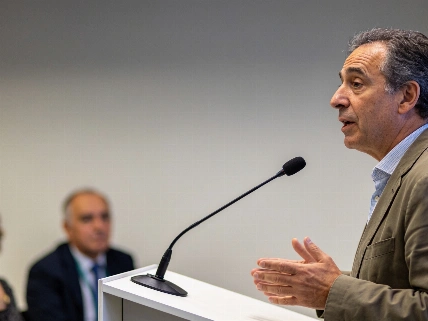
Spain’s housing shortage is “particularly bad,” says Mario Conde, the former head of Banesto. He argues that prefabricated homes are the only way to quickly increase supply. Spain’s population has grown by nearly 10 million, from about 40 million to almost 50 million, while the housing stock has barely changed. Prices have soared, putting homeownership out of reach for many.
“If there is exponentially increased demand for housing, and no corresponding increase in supply, prices go up,” Conde said. Buyers can’t afford what’s on offer, and banks hesitate to lend to people who can’t realistically pay back. The Bank of Spain reports a gap of roughly 750,000 homes between new households and new builds from 2021 to 2025. Land ready for construction is scarce, and urban planning moves slowly. Spain also has too few skilled workers. The Bank of Spain says Spain built only about 90,000 new homes in 2025, compared with an average of 250,000 per year in the 1990s.
Renting isn’t much easier. Conde says demand far outstrips the number of available flats. As property values rise, landlords seek higher yields, while tourist rentals add further pressure. He acknowledges that short-term lets support Spain’s tourism sector, but says they also take homes out of the long-term rental pool, squeezing residents. Idealista data shows rents in Spain jumped 8.5% in 2025, with a 9.7% rise in Madrid. The average asking price reached 23.30 euros per square meter in Madrid, 20.20 in Barcelona and 19.30 in Palma.
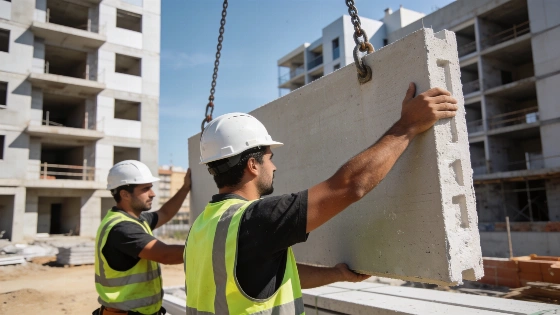
Conde says talk is cheap. He wants the state to lead public housing projects and private developers to receive support, not blame. His strongest proposal is to build prefabricated homes, which can go up in six months. Traditional homes take three times as long. He says prefab is the only way to quickly add supply and cool the market. Yet the approach faces familiar hurdles. The Bank of Spain and independent reviews cite land shortages and slow permits. The country also lacks enough workers. Spain has one of the smallest stocks of social housing in Europe: only about 1.7% of its housing is classified as social, the European Commission says. That limits the government’s ability to ease the crisis through affordable rentals. Addressing the shortage will take more than one solution.
Spain isn’t alone in this struggle. As reported earlier, even big landlords in Madrid are feeling the pinch. Mortgage costs are up, while rents aren’t keeping pace. Population growth and a shortage of new homes add pressure. Tourist money pulls housing toward short-term lets. Both tenants and owners are caught in the squeeze. The worst shortages hit fast-growing regions, including Madrid and Barcelona, as well as Alicante, Valencia, Murcia and Malaga. National averages conceal the scale of the problem in these cities and tourist hotspots, information from several top economic sources.
Conde says Spain must act now. More homes, built faster and cheaper, are the only way out. Prefabricated homes aren’t a cure-all, but in a market where time and money are tight, he says they offer a real shot at change. The Bank of Spain’s deputy governor warns that if nothing changes, the housing deficit could top 1 million homes by 2028.