The end of the Madrid demonstration after Wednesday’s general strike drew criticism from several parties in the governing camp. Interior says Fernando Grande-Marlaska has ordered specific investigations into incidents during the strike and directed police not to use tear gas at future demonstrations. The 24-hour action on 11 November was organized by Spain’s two largest trade unions, Unión General de Trabajadores (UGT) and Comisiones Obreras (CCOO), over soaring rents, property prices and broader cost-of-living pressures. Its slogan was “Salaries. Housing. Prices.” Reuters described it as Spain’s first general strike in 14 years, involving about 4 million workers, roughly one-fifth of the workforce.
The ministry has not announced findings or identified individual officers responsible. Infobae reported that the specific investigations ordered by Marlaska were separate from the Policía Nacional’s ordinary internal inspection of police operations. The instruction on tear gas applies to future demonstrations; it does not establish how the order was applied at the protest.
Calls for the minister to resign have come from coalition partner Frente Amplio and other left-wing parties. Emilio Delgado, its lead candidate in Madrid, said on Cadena SER that Spain had a problem with riot police. He criticised what he described as relaxed policing at neo-Nazi gatherings compared with the use of gas against demonstrators, and cited protests by Amnesty International.
Gabriel Rufián, ERC’s lead candidate for Congress, argued that some parts of the police had been shown to spy on the government. He also said the PSOE should bear political responsibility for police actions against people in the street.
Podemos spokesperson Ione Belarra called on Marlaska to accept responsibility and resign, alleging brutality and police abuse during the strike. She described officers using pepper spray and pushing or striking demonstrators and media workers. El Confidencial reported that Belarra also criticised mass identifications and pepper-spray use.
Sumar parliamentary spokesperson Verónica Barbero also sought explanations and Marlaska’s resignation. She said the operation appeared to have been collective and described its handling at pickets as disproportionate. Unions reported scuffles with police near Madrid’s main wholesale market during early picketing. The demands put political accountability at the centre of the dispute, a subject also examined in earlier reporting on resignations.
Interior’s provisional figures record 1,144 strike-related incidents reported by the National Police and Civil Guard by 23:00 on 11 November. The two forces made 47 arrests: 20 in Madrid, six in Valencia and four each in Málaga and Almería. Granada and Castellón had three apiece, while Zamora had two. One arrest was reported in each of Navarra, Valladolid, La Rioja, Alicante and A Coruña. The totals exclude Catalonia and the Basque Country. Reuters reported at least 73 arrests nationwide by 21:00 GMT in connection with at least 1,044 incidents, including blockades and burning rubbish containers.
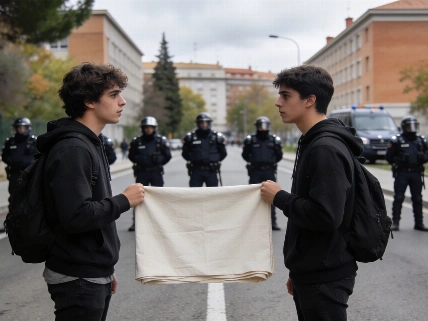
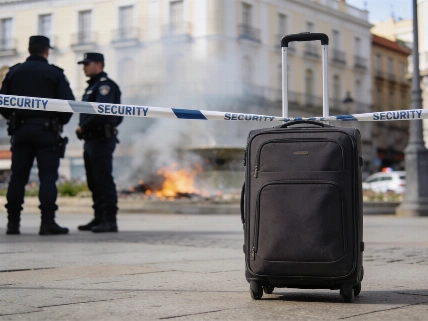
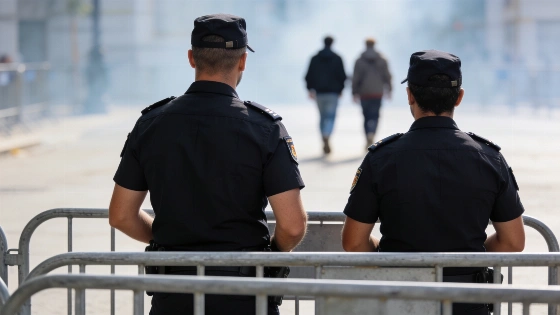
Reuters said the strike was mostly peaceful during the day, with clashes later in parts of Madrid and Barcelona. In Madrid, riot police used foam bullets, tear gas and pepper spray around Plaza de España; BBC reported clashes in Barcelona, where rubbish bins were set alight and shop windows smashed. BBC reported demonstrations of about 120,000 people in Madrid and more than 50,000 in Barcelona. CCOO’s Madrid branch said 13 people required medical attention during picket-line confrontations.