A Spanish mechanic highlights a costly error drivers make when jump-starting cars with Start Stop systems. Incorrect cable placement can damage sensitive sensors, leading to expensive repairs. Here’s what every driver should know.
When a car with a Start Stop system refuses to start, many drivers instinctively reach for jumper cables. But according to Enrique, owner of "Talleres Piba" and a respected mechanic in Spain, using the old method can cause serious—and expensive—damage to modern vehicles. His warning, shared widely on social media, targets a common mistake that could ruin a key component in cars built after 2014.
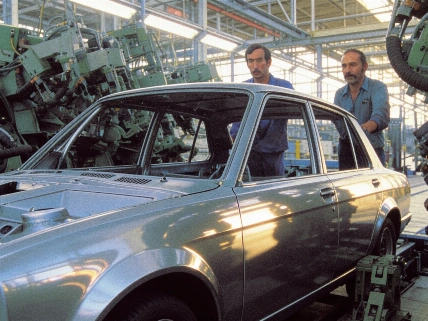
The Start Stop system, designed to cut fuel use and emissions by shutting off the engine at stops, has become standard in Spanish vehicles since 2004. Yet its roots go back to the 1970s, with early adopters like the Fiat Regata. What’s changed in recent years is the addition of the Intelligent Battery Sensor (IBS), a device that monitors battery charge, voltage, and temperature to optimize performance and protect the system.
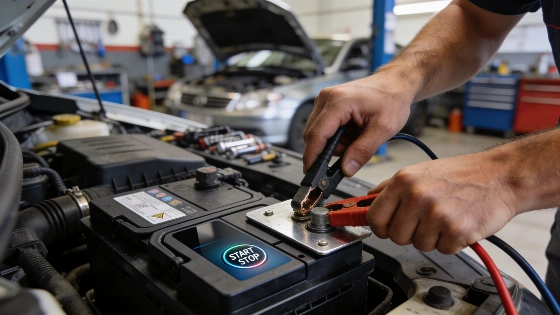
Enrique explains that the real risk comes when connecting jumper cables to the battery’s negative terminal. In cars equipped with IBS, the negative cable should never be attached directly to the battery post. Instead, manufacturers provide a dedicated metal plate or external tab—often located near but not on the battery itself—specifically for this purpose. Connecting to the wrong point can overload or destroy the IBS, leading to costly repairs. The positive (red) cable, however, can still be connected as usual.
Beyond this crucial detail, Enrique urges drivers to follow several other safety steps. Always use high-quality cables to prevent melting or insulation failure. Never allow the two vehicles to touch during the process, and double-check that both batteries have the same voltage—typically 12V—to avoid damaging sensitive electronics. Once the car starts, disconnect the cables in the reverse order to minimize the risk of sparks or short circuits. Letting the cars remain connected for a few minutes helps ensure the battery is sufficiently charged for the next start.
Battery life in modern vehicles typically ranges from two to five years, making dead batteries a common issue. But as technology advances, so do the risks of outdated habits. As noted by elespanol motor, a single misstep can turn a routine jump-start into a major repair bill.
Spain’s shift toward advanced automotive technology mirrors broader trends across Europe. For example, some countries are already adapting traffic laws to reflect the differences between combustion and electric vehicles, as seen in Austria’s decision to allow electric cars to bypass certain emission speed limits (read more about this policy change here).
For drivers, the lesson is clear: before reaching for jumper cables, check your car’s manual and look for the correct connection points. A few extra seconds of caution can save hundreds of euros—and keep your Start Stop system running as intended.