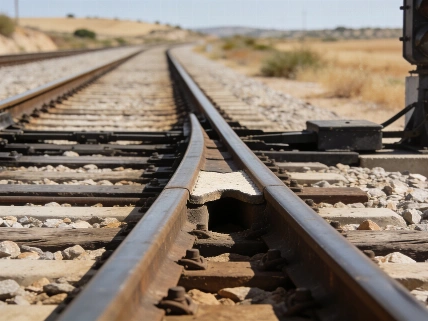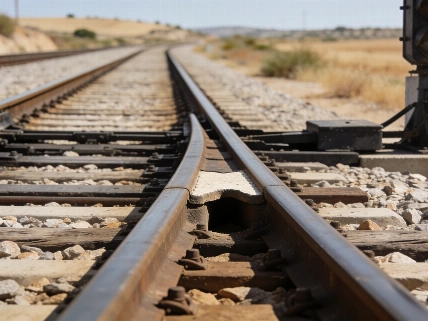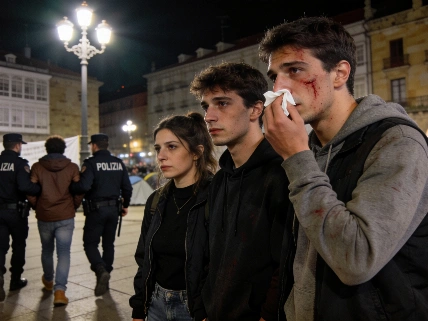
The recordings at the centre of the inquiry came from the Adif control centre in Atocha, where two trains involved in the Urda accident were discussed. On 28 October 2026, a Renfe high-speed train collided with the rear of a stationary Iryo train near Urda, on the Madrid-Seville corridor. The official death toll reached 69, with more than 200 people reported injured. El Debate reports that investigators found metadata pointing to the State Secretariat for Communication, which depends on the Palacio de la Moncloa.
According to the newspaper, the Guardia Civil’s Judicial Police Unit in Toledo is comparing the files’ digital fingerprints with the original recordings. Investigators are checking for edits and reviewing authorship fields. They are also examining compression and export data, creation and modification dates, filenames and access logs. The reported trace appears in the authorship fields, alongside evidence of selective distribution through WhatsApp. The Sindicato de Circulación Ferroviaria filed a request on 30 October for an investigation into the origin of the leaked control-room audio.
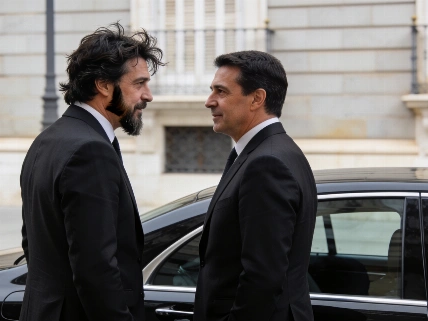
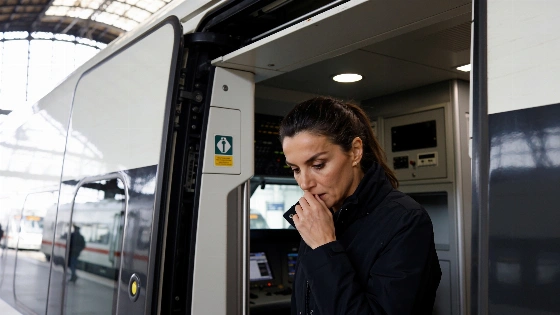
The report also places Lydia del Canto, the State Secretary for Communication, at the control centre during a meeting with Óscar Puente, then transport minister. Photographs published by El Debate show her leaving the room. Sources present at the site told the newspaper that she entered and left nervously as staff were asked to extract the complete recordings.
Puente’s official reason for visiting was to receive information about the accident. Sources cited by El Debate say the main purpose was to download the recording. They questioned Del Canto’s presence because her office sits within the Presidency and handles information, while the control room was dealing with an operational crisis involving stopped trains and an employee under pressure. These accounts have not been presented as judicial findings. Publicly reported control-room audio places the Renfe driver’s first call to Atocha at 8:31, reporting a signalling failure and confirming the train was stopped at an entry signal. At 8:48, he reportedly called again to say the system still could not be verified. The transport minister said the protocol in those circumstances required trains to proceed at no more than 40 km/h.
The audio was extracted from Atocha’s recording system on 28 October, the day of the accident. Investigators have requested access logs to establish who accessed and downloaded the files. The Orgaz Court of Instruction No. 2 maintains secrecy over the principal accident file, and the Guardia Civil is comparing Adif’s original files with versions circulated by media outlets. The technical inquiry into the crash is separate from the judicial investigation into the leaked audio. Investigators examining the crash are looking at the LZB train-protection system and control-centre communications, as well as how operations were handled after the signalling failure. The court has custody of the train recorders and controls the conditions for downloading their data.
For now, investigators have confined the leak inquiry to technical steps. A technical report says the magistrate must decide whether to open a separate branch of the case before investigators can examine phones or servers belonging to the Secretariat. The Guardia Civil has pursued other cases, including a separate warehouse seizure investigation in Águilas. The supplied reporting establishes no connection between that case and the Adif recordings.
El Debate says the Secretariat declined to comment. The newspaper also asked Del Canto about her presence at the control centre.