Morocco, Israel, and the US have agreed to deepen diplomatic and security cooperation, moving forward with embassies and direct flights. The deal comes as Morocco's relationship with Spain grows more tense, with Western Sahara still at the center of regional politics.
Morocco is moving quickly to strengthen its partnership with Israel and the United States, agreeing to open embassies and start direct flights between Rabat and Tel Aviv. The agreement, reached in New York with US mediation, marks a clear shift in Morocco’s foreign policy as its relationship with Spain becomes more strained.
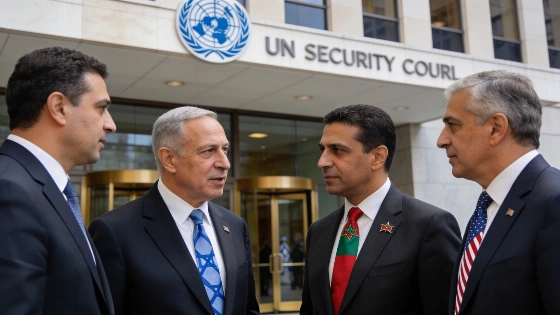
The deal was finalized at a meeting hosted by the US ambassador to the United Nations, Mike Waltz. Morocco and Israel’s foreign ministers agreed to expand diplomatic, commercial, and security ties. The timing is notable: Morocco and Spain remain at odds after a mass entry of migrants into Ceuta, a Spanish enclave that Morocco claims. On 16 September 2026, the foreign ministers agreed to speed up the exchange of ambassadors and the opening of full embassies, according to official statements reported by international media.
The agreement also includes the restoration of direct flights between Morocco and Israel by the end of 2026, with participation from airlines of both countries.
The US has deepened the rift by openly blaming Spain for allowing large-scale illegal migration into Europe, holding Madrid’s policies responsible for the Ceuta crisis. Spain’s Prime Minister Pedro Sánchez first called the incident an attack on Spanish territorial integrity, but later described it as a migration crisis. The Trump administration’s spokesperson criticized Spain’s “globalist far-left policies” in response.
Instead of backing its traditional NATO ally, the US has prioritized its relationship with Morocco, especially through the Abraham Accords. These agreements, promoted by Donald Trump, aim to normalize relations between Israel and several Arab states. Morocco joined after the US recognized its sovereignty over Western Sahara, a former Spanish colony and a long-running source of tension in the region. US recognition of Moroccan sovereignty over Western Sahara in 2020 was a key part of the normalization deal between Morocco and Israel, according to major news agencies.
Spain eventually supported the US position on Western Sahara, backing Morocco’s autonomy proposal without public explanation from Sánchez. This was part of a broader diplomatic strategy: in exchange for US recognition of its territorial claims, Morocco agreed to formalize ties with Israel, joining the United Arab Emirates, Bahrain, and Sudan in a process that previously included only Egypt and Jordan among Arab countries.
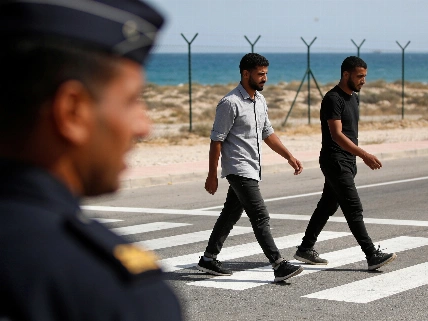
Between 10 August and 14 September 2026, Spanish authorities reported that 5,321 migrants voluntarily returned from Ceuta to Morocco, while nearly 1,000 remained in the process of repatriation. Morocco has publicly denied organizing the mass crossing and accused Spain of politicizing the issue.
Spanish government
The recent meeting in New York has pushed this three-way cooperation further. In a joint statement, the US, Morocco, and Israel said they are committed to strengthening international collaboration. The foreign ministers of Morocco and Israel thanked Trump for his role in advancing peace efforts in the region.
Morocco and Israel are now preparing to upgrade their diplomatic missions to full embassies and exchange ambassadors. Both countries have also agreed to restore direct commercial flights before the end of the year, with airlines from both sides involved. These steps are expected to encourage investment, technology exchange, and security cooperation, areas where Israel has significant experience. According to official communications from the Moroccan and Israeli foreign ministries, further agreements on investment protection and double taxation are also in the works.
This diplomatic shift comes as Spain’s relationship with Israel has cooled, partly due to Sánchez’s criticism of the Netanyahu government’s actions in Gaza. Morocco’s normalization with Israel has faced domestic opposition, especially during the Gaza conflict, but the government in Rabat is pressing ahead, relying on US support to strengthen its regional position.
The Western Sahara issue remains central. US recognition of Moroccan sovereignty over the territory has changed the diplomatic landscape, leaving Spain in a difficult spot. As Morocco builds closer ties with Washington and Tel Aviv, Madrid finds itself more isolated in a region where alliances are shifting quickly. The result is clear: Morocco is counting on its new partners to support its territorial ambitions and its role in North Africa, while Spain must adjust to a diplomatic environment where old alliances are no longer guaranteed.