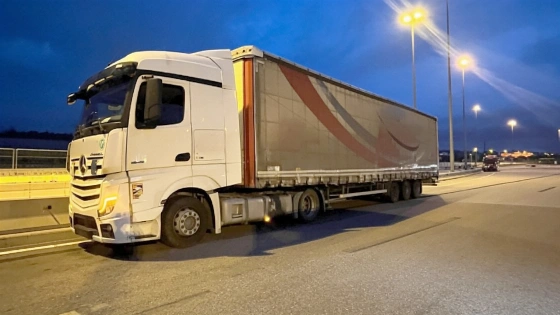
A routine inspection in Martorell uncovered a tachograph record showing 30.5 consecutive hours behind the wheel. The Mossos d’Esquadra stopped the lorry on the AP-7 and issued six fines under transport rules, plus a separate traffic penalty.
The device records a vehicle’s activity and speed using a personal card inserted by the driver. It preserves driving and rest activity, so traffic officers can examine earlier records during a roadside check. Here, the reading showed the driver had exceeded three times the usual daily maximum, with no required break and rest periods observed.
Under Regulation (EC) No 561/2006, professional drivers in Spain and across the European Union may normally lead for nine hours a day, extended to 10 hours no more than twice a week. They must take a 45-minute break after no more than four and a half hours of driving; the break can be split into 15 minutes followed by 30. The daily limit is separate from the break requirement: one caps total driving time, while the other limits driving without a qualifying break.
Daily rest is generally 11 consecutive hours, with reductions to at least nine hours allowed up to three times between weekly rests. Weekly driving is capped at 56 hours and at 90 hours over two consecutive weeks. These limits apply together; permitted extensions to daily driving and reductions in daily rest do not authorize driving beyond any of the other caps. The general rules have exceptions depending on the transport involved, with details set by the vehicle or service.
The penalties relate to Regulation (EC) No 561/2006. This case concerns roadside compliance, a different transport issue from the Senate’s car-park overhaul.