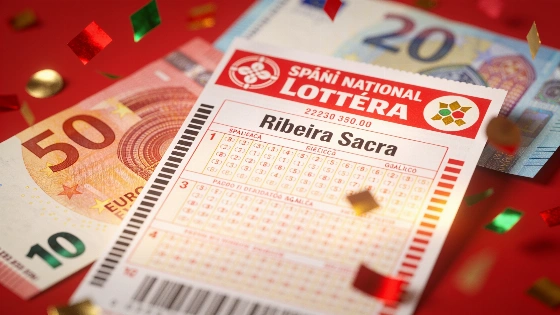
At Spain’s National Lottery draw on Thursday, July 23, 2026, number 83450 won the €300,000-per-series first prize. The equivalent award for an individual décimo was €30,000. The ticket featured Ribeira Sacra, with its riverbanks and landscapes in this Galician region. Managed by Loterías y Apuestas del Estado (SELAE), the lottery dates back to 1811.
Number 58302 won the second prize, paying €60,000 per series, or €6,000 per décimo. The other listed extractions were 2563, 4369, 7669 and 9474 for four digits; 279, 351, 427, 645, 766, 839 and 888 for three digits; and 01, 03, 21, 37, 45, 47, 70, 81 and 87 for two digits. Reintegros applied to tickets ending in 0, 1 or 3.
The prize amounts distinguish between a series and a décimo, the individual tenth of a series sold to players. Each four-digit extraction carried a prize of €750 per series, equivalent to €75 per décimo; each three-digit extraction paid €150 per series, or €15 per décimo; and each two-digit extraction paid €60 per series, or €6 per décimo. The reintegro returns the stake on tickets with the specified ending digits.
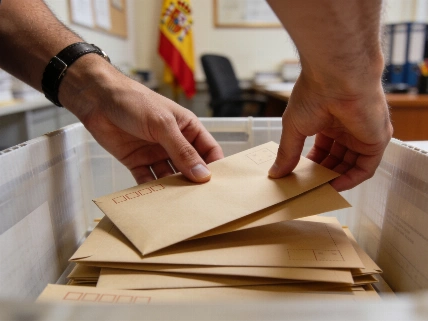
Players take part by purchasing a décimo, the minimum unit of play, which bears a number. Prizes depend on the drawn combinations and their corresponding categories. Results are published on the Loterías y Apuestas del Estado website and reported by media outlets. Coverage of other Spanish sporting and lottery events, such as the rise of Paula Badosa in Bastad, offers further understanding into national competitions and their impact.
Ribeira Sacra spans the banks of the Cabe, Sil and Miño rivers across southern Lugo and northern Ourense. Its appearance on the ticket connects the draw to the lottery’s tradition of showcasing Spanish cultural and natural heritage. The National Lottery has been part of Spanish public life since its beginnings during the Peninsular War, combining regular draws with major awards and smaller number-based prizes.