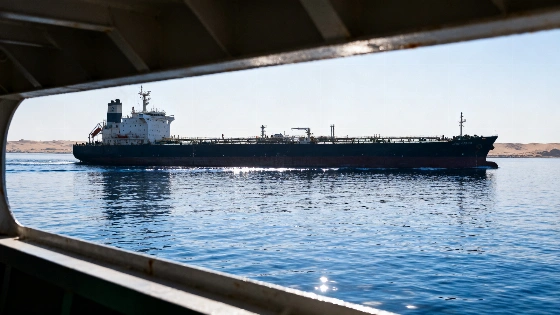
Brent Plunges Amid Rising Shipments Through Hormuz and US-Iran Talks. Brent prices dropped sharply following reports of restored transit through the Strait of Hormuz. The US and Iran are nearing an agreement that could boost exports. The market is responding with a decline in oil prices.
The global oil market experienced a sharp downturn: Brent prices fell by 7% in a single day, reaching their lowest levels since March. The drop was triggered by an unexpected rise in supplies through the Strait of Hormuz and reports of an imminent agreement between the US and Iran to unblock this strategic route. According to Bloomberg, oil exports from the Persian Gulf via Hormuz increased by 50% in the first ten days of June compared to May.
In recent months, Hormuz has remained a critical flashpoint for the global economy. Following a series of attacks and restrictions resulting from the conflict between the US, Israel, and Iran, oil transit through the strait was significantly reduced. However, despite fears of shortages and a possible recession, the market proved more resilient than expected. Major carriers and traders are gradually returning vessels to this route, even before the official signing of an agreement.
According to analysts at Julius Baer, the flexibility of international trade and the reorientation of routes helped avoid a critical shortage. Alternative supplies from South America, increased exports from Venezuela, and the use of reserves by China contributed to stabilizing the situation. Meanwhile, according to Vortexa, the volume of non-Iranian oil passing through Hormuz rose from 1.2 to 1.8 million barrels per day, and UBS estimates that total transit grew from 0.5 to 1.7 million barrels per day since April.
Iranian shipments through the strait remain blocked due to US sanctions, but other Persian Gulf countries are increasing exports. At the same time, some tankers are taking so-called 'dark' routes without transmitting location data, making it difficult to accurately assess volumes. Despite this, current flows are still far from pre-war levels — before the conflict, around 20 million barrels of oil and petroleum products passed through Hormuz daily.
Against this backdrop, the oil market responded with falling prices. Previously, any restriction of transit through Hormuz would cause a sharp price spike, but now even announcements of temporary closures do not lead to panic. According to Bloomberg, the US is carrying out a project to ensure the transit of up to 100 million barrels of oil since May, which also affects price dynamics.
Negotiations between Washington and Tehran to unblock the strait are nearing completion. The agreement is expected to take the form of a memorandum at the G7 summit in France from June 15–17. This could lead to further increases in shipments and additional pressure on prices.
For reference: The Strait of Hormuz is one of the world's most important oil corridors, through which up to a third of seaborne oil shipments passed until recently. Any disruptions directly impact the global economy and fuel prices, including in Spain. In recent years, EU countries, including Spain, have actively diversified oil import sources to reduce dependence on routes through the Persian Gulf.