Venezuelan Migrant in Barcelona Becomes the First to Receive Work and Residence Permit. A 23-year-old nurse from Venezuela has officially received a temporary residence and work permit in Spain. This is one of the first successful regularizations under the new procedure. The decision accelerates the integration of migrants in the country.
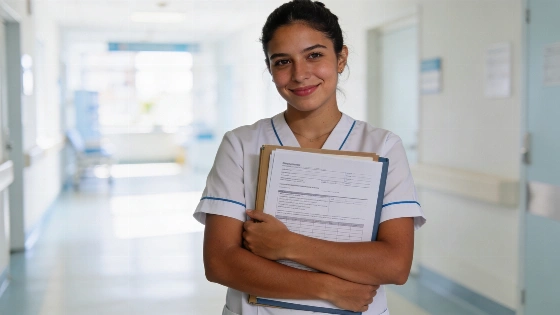
One of the first successful legalization processes under the new scheme has been completed in Barcelona: 23-year-old nurse from Venezuela, Camila Herrera, received a temporary residence and work permit in Spain. The document, signed by the director of the country's migration management, allows her to officially live and work with a full set of rights.
Camila became a prominent figure after her application was the first accepted for consideration within the large-scale campaign to legalize foreign nationals. She works at the Sagrada Familia clinic in the capital of Catalonia and previously held temporary asylum status. Now her status has changed, and she can build her career without restrictions linked to previous migration barriers.
According to Camila, her colleagues supported her throughout the process, and the news of her permit brought joy not only to her but also to the clinic staff. Her family—her mother and sister—also applied for legalization but are still waiting for a decision. Camila's application was submitted on April 17, and the final approval came just over a month later, significantly faster than the standard three-month timeframe.
The legalization process currently being implemented by the government aims to bring hundreds of thousands of migrants out of the shadows—those living in Spain without official status or with temporary humanitarian protection. The new procedure allows them to qualify for legal employment and social benefits, which should reduce the rate of informal employment and increase the safety of migrants themselves. According to russpain.com, many foreigners lived for years in fear of deportation, despite having already integrated into local society.
Camila was legally assisted by the Legalteam from Barcelona. The head of the office, Guillermo Morales Cata, who himself went through the migration process, notes that the first positive decisions are the result of long-term work and overcoming bureaucratic challenges. On the same day Camila was notified of her permit, the firm received another positive decision in a different case.
Among Kamila's immediate plans is to pursue a master's degree in surgery, allowing her to combine her studies with work at the clinic. She intends to continue her professional development within the Spanish healthcare system and eventually move into a leadership position. Issues of legalization and integration of migrants remain relevant for many regions of the country. For example, the authorities of La Rioja recently announced the launch of a new medical faculty, which is also linked to increased demand for qualified professionals and expanded educational opportunities for newcomers. More on the development of medical education in the regions can be found in the report on the launch of the faculty in La Rioja: details on new opportunities for students.
For reference: according to official data, more than 6 million foreigners live in Spain, a significant proportion of whom are from Latin America. In recent years, the country has been actively reforming its migration legislation to simplify access to the labor market and enhance social protection for new residents.