Parking at Manuel Carrasco Concerts in Seville: New Rules and Prices. New parking regulations are being introduced at Manuel Carrasco's concerts in Seville. Organizers have restricted access and changed the pricing of spaces. Strict time limits and prohibitions now apply to motorists.
Four major Manuel Carrasco concerts are taking place at Estadio de la Cartuja in Seville from June 13 to June 20, which has already resulted in changes to the parking scheme and new restrictions for drivers. Organizers have warned in advance about high traffic in the area and urged guests to purchase parking in advance to avoid access issues and delays at the entrance.
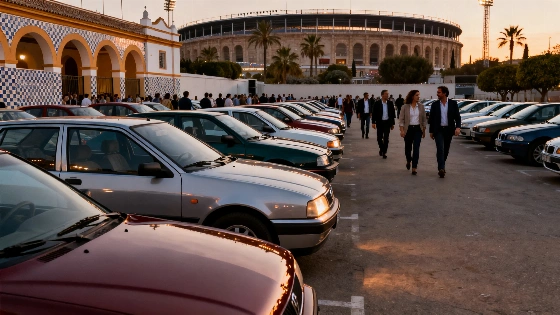
Three main areas have been designated for concertgoers: P7 NORTE and P7 SUR (closer to Bancada Expo), as well as separate entrances via Avda. Carlos III (Rotonda SAMU) and SE-20 (Rotonda RTVE). Parking will be open from 12:00 to 01:00, but after the concert starts, exiting the area will be closed for at least 30 minutes. Important: alcohol consumption in parking areas is strictly prohibited, and overnight stays in camper vans are not allowed.
Parking fees are €7.50 for passenger cars and vehicles for people with reduced mobility, and €15 for camper vans. All parking tickets are sold exclusively online, and organizers emphasize that on-site purchase is not guaranteed. Each concert date — 'Viento Salvaje' (June 13), 'La Cruz Salvaje' (June 14), 'Corazón Salvaje' (June 19), and 'Pueblo Salvaje I and II' (June 20) — has its own parking quotas.
Due to large-scale events in major Spanish cities, authorities are increasingly introducing temporary traffic and parking restrictions. For example, central streets in Bilbao were recently closed for a major concert, which was covered in detail in the article on the impact of major events on urban infrastructure.
Estadio de la Cartuja has long been one of Andalusia's main concert venues, hosting not only sports matches but also performances by leading artists. After the end of the football season, the stadium switched entirely to cultural events, requiring new solutions for transport and security. According to RUSSPAIN, such measures help reduce traffic congestion and improve comfort for visitors, but demand that drivers plan their trips carefully and strictly follow all access regulations.