Spanish Businessman's Agenda Reveals His Role in Venezuela Affairs. Spanish police discovered records belonging to entrepreneur Julio Martínez Martínez indicating his involvement in Venezuela’s strategic matters. The documents mention plans for the release of prisoners and a possible role of intelligence services.
Spanish police found documents in the possession of entrepreneur Julio Martínez Martínez, an associate of former Prime Minister José Luis Rodríguez Zapatero, that may indicate his influence over key processes in Venezuela. During a search, handwritten diaries were seized, recording agreements, decisions, and events related to the highest levels of power.
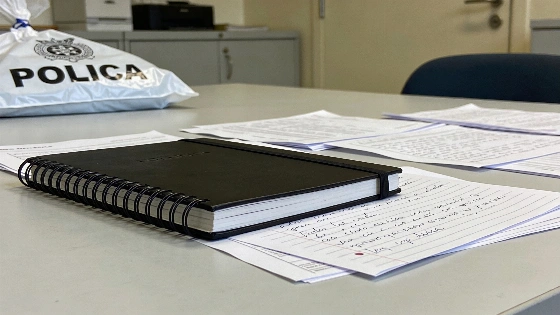
Particular attention was drawn to a black notebook bearing the PLUS ULTRA, LÍNEAS AÉREAS logo. According to UDEF, entries in it suggest Martínez may have been involved in matters concerning the release of prisoners in Venezuela, as well as discussions regarding the intervention of Spanish intelligence services (CNI) in the case of Edmundo González's return. The materials also mention actions against the opposition and contacts with high-ranking Venezuelan officials.
A separate set of documents contains notes on business plans related to oil and gold, as well as a reference to the need to “disguise” operations through Bandes, the Venezuelan state bank. The recipients listed include ministers and heads of major state companies such as PDVSA and CVG, which, according to police, goes beyond typical business relations.
UDEF notes that the discovered documents reveal Martínez’s role not just as an entrepreneur, but as a mediator in high-level negotiations, acting on behalf of third parties with real political influence. One entry describes a proposed reform of Venezuela’s constitution: reducing the presidential term to four years, introducing the post of prime minister, and creating a Council of State. It also mentions an amnesty, a one-year reform period, and holding elections after the changes.
The documents mention current and former politicians such as Enrique Márquez, Leocensis García, Alberto Adrián González, as well as questions regarding the rehabilitation of Rafael Ramírez and the fate of human rights activist Rocío San Miguel. One entry discusses the possible repatriation of opposition leader Edmundo González with the involvement of CNI staff.
The context around PLUS ULTRA has already drawn media attention: previously, the company stated it was operating as usual amid accusations against Zapatero, emphasizing its willingness to cooperate with the court. More details on this can be found in the article about the airline’s response to the investigation.
For reference: PDVSA is Venezuela’s largest oil company, CVG operates in mineral extraction, and Bandes is a state bank through which many of the country’s financial transactions pass. In recent years, Spain has repeatedly become a platform for discussions of Venezuelan political crises, and the involvement of Spanish businesspeople and politicians in these processes has drawn increased attention from law enforcement agencies.