Spanish Senate Summons Teresa Peramato Over Prosecutor Contacts Case. Prosecutor Teresa Peramato is expected to explain meetings with Leire Díez and other involved parties. The Senate is preparing a series of hearings on high-profile cases. The focus is on connections within the prosecutor's office and new questions for the former Prime Minister.
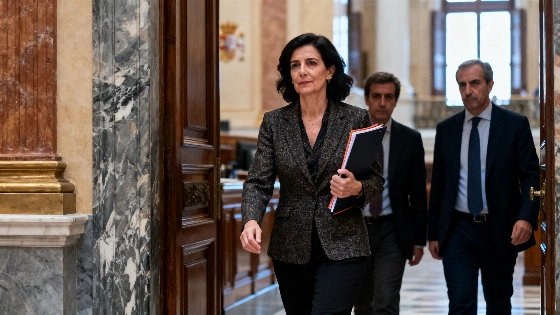
The Spanish Senate is preparing for a series of high-profile hearings initiated by the Partido Popular that involve key figures from the prosecutor's office and former government officials. As early as this week, fiscal general del Estado Teresa Peramato is expected to appear before the Justice Commission to provide explanations regarding informal meetings with Leire Díez and other participants in high-profile cases. The main question is why these contacts were not officially registered in the prosecutor's logs and who gave the order to hide them from the court.
According to Alicia García, who represents Partido Popular in the Senate, Leire Díez, known as the PSOE's "fontanera," had special access to the top of the prosecutor's office. Also in focus are Díez’s meetings with Diego Villafañe, deputy to former prosecutor Álvaro García Ortiz, who was convicted of disclosing secrets. Peramato will have to explain when she learned about the contacts among Villafañe, Díez, and attorney Jacobo Teixelo, as well as who and why ordered this information to be concealed until it had to be revealed to Judge Santiago Pedraz.
Peramato's hearing will be part of a week packed with interrogations related to PSOE representatives. In addition, the Senate is expected to hear from Pedro Sánchez's wife, Begoña Gómez, and former president José Luis Rodríguez Zapatero. On Tuesday, the director of the Civil Guard, Mercedes González, will speak before the Interior Committee. Furthermore, Interior Minister Fernando Grande-Marlaska has once again been summoned for hearings on the Koldo case, where the Partido Popular accuses him of misleading over meetings between Díez and the Civil Guard leadership and of trying to shield Pedro Sánchez.
As part of the investigation into the Plus Ultra case involving Zapatero, the questioning of Manuel Aarón Fajardo, said to be the link between the former prime minister and Venezuelan business, is scheduled for June 22. The Partido Popular claims that Fajardo provided access to business opportunities in Venezuela. Questions to Zapatero concern the origin of the jewelry found in his safe and whether it was declared. His secretary, Gertrudis Alcázar, has also been summoned to the Senate to explain possible document forgery and the provenance of the jewels. In this context, previously Zapatero's press secretary admitted a mistake in assessing the value of the seized jewelry, which has led to further questions.
Another episode that the Partido Popular considers key to understanding the scale of corruption is the so-called Delcygate—the visit of Delcy Rodríguez, then Vice President of Venezuela, to Madrid airport. To clarify this matter, former Barajas airport commissioner Jesús María Gómez has been summoned. According to the initiators of the hearings, this incident marked the starting point for the spread of corruption schemes within the government and PSOE.
The context of recent years shows that investigations into corruption episodes in Spain often lead to questioning high-ranking officials and revising procedures in the prosecutor’s office. Senate hearings on the Plus Ultra and Koldo cases may affect perceptions of transparency in the operation of state institutions. In Spain, such parliamentary investigations traditionally prompt a review of rules for information access and oversight of officials’ actions.