A proposed public stock of 100,000 homes and annual housing investment equivalent to 1% of GDP are among the PSOE’s central commitments for the 29 November election. The homes would be built or acquired for affordable sale or stable rental, then managed through Casa 47, the state housing entity created in late 2025. The measures remain proposals in the party’s programme.
Pedro Sánchez presented some of the plans at an event in Alcorcón before publication of the full document. It runs to 114 pages and contains 500 measures, covering housing, public services, economic growth, climate policy, equality and transport infrastructure. Much of the programme focuses on public services. The party also reiterates its opposition to allocating 5% of GDP to defence.
The programme is part of a campaign that has also focused on postal voting. An earlier campaign report covered Correos’ requests for the 29 November ballot.
Housing, which the programme describes as a principal priority, would see rental contracts extended and rents above reference indices temporarily frozen in designated stressed areas. The PSOE would also create a state map of stressed rental markets and increase monitoring of seasonal and room rentals. The party would maintain tax incentives for landlords who lower rents, while imposing a progressive tax on homes held by large property owners and vulture funds that are not offered as affordable residential rentals. The proposed public housing stock would be built or acquired, with 1% of annual public works tenders directed to a fund for protected and affordable homes.
The party links its housing plans to a proposed land law intended to simplify urban development. It also proposes a state child-care benefit for households with minors, designed to shift support towards lower-income families. The programme’s summaries do not specify a payment amount, eligibility threshold or implementation date.
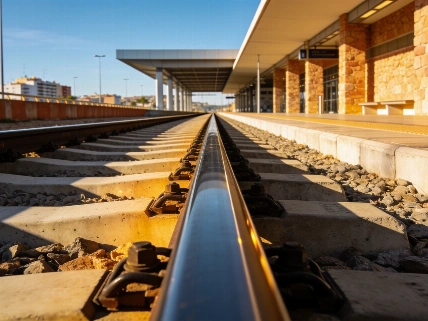
Rail policy follows the accidents at Adamuz and Urda. The programme calls for a state pact on rail safety, victim support and justice, involving victims’ associations, railway workers, social organisations and political parties. It also proposes protecting rail maintenance funding at approximately €19 billion over 2026–2030 and launching a safety plan to speed up monitoring technology and strengthen verification protocols. ERTMS Level 2 would enter service on the Madrid-Seville line.
Other transport commitments include modernising Cercanías and Media Distancia services, completing the Mediterranean and Atlantic corridors, and improving links with the European network. The PSOE also proposes repairing road surfaces across 5,000 kilometres of the state network over four years. The plan would receive €1.629 billion in investment.
On taxation, the programme proposes a maximum 35% rate on capital income above €300,000 while retaining the two existing lower bands. It would double the financial transaction tax from 0.2% to 0.4% and increase taxation on large technology companies, alongside the existing Google tax.
For workers, the party proposes completing the reduction of the working week to 37.5 hours and encouraging collective bargaining towards 35 hours. It also wants a reliable digital timekeeping system and stronger Labour Inspectorate enforcement. In healthcare, the proposals include public funding of around 7% of GDP and a phased expansion of basic dental treatment for adults.
The programme also proposes an initial allocation of €500 million for the Plan de Integración y Ciudadanía 2026-2030. On digital protections, it would set 16 as the minimum age for social media use and pass a law protecting minors in digital environments during the first year of the legislature.