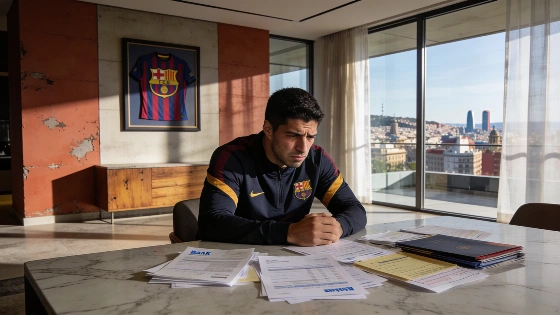
Barcelona forward Raphinha is at the center of a reported financial dispute over income from his image rights. Reports from Brazil allege that his father retained 80% of the earnings. The issue reportedly surfaced while Raphinha and his wife, Natalia Rodrigues Belloli, were trying to buy a mansion in Spain and ran into unexpected financial obstacles.
The dispute reportedly came to light while the Brazilian international was competing in the World Cup. The allegation concerns income generated through commercial use of the player’s image, including potential earnings from endorsements, advertising and appearances.
Raphinha and Belloli live with their children in Ciutat Diagonal, in the Barcelona metropolitan area, information from an October 2026 report by El Periódico. The publication describes the residence as having a swimming pool; it also notes large windows and a garden. That account of the family’s home is separate from the reported mansion purchase attempt linked to the alleged financial dispute.
Image-rights arrangements can involve contracts that set out who may commercially exploit a player’s image and how the resulting income is distributed. The reported 80% figure and the circumstances surrounding the property transaction remain allegations. They should not be treated as an established financial accounting or a finding of wrongdoing. The account raises questions about oversight of athletes’ commercial interests, particularly when family members manage finances.
Amid recent controversies involving public figures in Spain, the dispute adds to scrutiny of financial management and accountability. For example, a recent debate in Congress over political corruption has drawn attention to financial practices among prominent individuals.
The allegations focus attention on how Raphinha’s image-rights income was managed and on the financial arrangements behind the reported property attempt. The case also points to the importance of clear contractual terms and regular financial oversight for professional athletes whose commercial earnings may be managed separately from their playing income.