A major corruption sentence against PSOE figures has reignited debate in Spain. Pedro Sánchez's response in Congress drew sharp criticism, including from Arturo Pérez-Reverte. The controversy highlights growing political tension.
The sentencing of former Transport Minister José Luis Ábalos to 24 years in prison and his advisor Koldo García to 19 years has intensified scrutiny of the PSOE and its leadership. Both were found guilty of criminal organization, bribery, embezzlement, and influence peddling for accepting kickbacks in pandemic-era contracts with Soluciones de Gestion. The company’s representative, Víctor de Aldama, avoided jail time by agreeing to community service and reporting requirements, while retaining the financial gains from the contracts.
This high-profile verdict is the first major outcome among several ongoing investigations involving the PSOE, including cases linked to Begoña Gómez, the wife of Prime Minister Pedro Sánchez, and former president José Luis Rodríguez Zapatero. In response, Sánchez addressed the Congress of Deputies, firmly denying any illegal party financing and insisting that the PSOE has acted transparently by expelling those under investigation and cooperating with judicial authorities. He also defended his wife, stating she received no payment for her academic and software work, and reiterated his trust in Zapatero’s conduct.
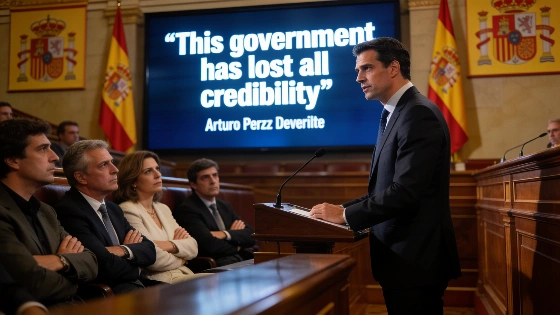
Sánchez’s refusal to acknowledge any personal or party wrongdoing has fueled frustration among opposition leaders and public figures. Alberto Núñez Feijóo, representing the opposition, openly questioned Sánchez’s continued leadership, accusing him of arrogance and a lack of dignity. The Prime Minister’s stance has also drawn criticism from outside the political sphere. Arturo Pérez-Reverte, renowned writer and academic, indirectly referenced Sánchez in a pointed social media post, quoting Juvenal’s Satires to suggest that a leader who claims sole ownership of the truth undermines the integrity of parliamentary debate.
The controversy surrounding Sánchez’s approach is not isolated. Recent developments, such as Leire Díez’s decision to testify independently in court, have further increased pressure on the PSOE’s leadership and exposed internal divisions, as highlighted in coverage of the party’s ongoing legal challenges.
These events come at a time when public trust in political institutions is under strain. The Mascarillas case has become emblematic of broader concerns about corruption and accountability in Spain’s political system. The judiciary’s willingness to impose severe sentences on high-ranking officials signals a shift toward stricter enforcement, while the government’s response continues to shape the national conversation on ethics and transparency. As investigations proceed, the outcome of these cases may have lasting implications for the PSOE and the country’s political landscape.