Riot police detained a demonstrator at a noon gathering outside Madrid's regional education department on Thursday 5 November. The detention was described as violent, and it was the fourth use of force to detain protesters during the four-week stoppage. The indefinite public-school teachers' strike began on 14 October and had entered its fourth week by 5 November.
Later that day, teachers and families gathered inside IES Nueva Numancia in Vallecas, pressing education minister Mercedes Zarzalejo to meet the strike committee. Teachers called for more resources for state education and better working conditions. Families said they were there to defend their children's rights. The committee represents educators from early-years and primary education, as well as secondary and vocational education. Its central demand has been direct negotiations with the regional government.
The school action followed a separate morning occupation by the mixed teachers' strike committee at the Community of Madrid's Directorate General for Human Resources. At least nine non-university teachers occupied the office for about an hour, while supporters gathered outside. The action followed a formal request for urgent negotiations made on 26 October. The committee had warned it could pursue legal action if the government continued to refuse a meeting. It called on Isabel Díaz Ayuso's Partido Popular government to negotiate. A previous sit-in at the regional education headquarters involving at least nine non-university teachers was covered in earlier strike coverage.
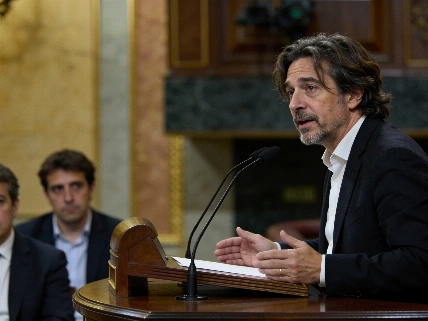
Zarzalejo again rejected talks with the committee in the Assembly of Madrid, where she accused striking teachers of using criminal practices with mafia methods. She has cited a 2025 agreement as a reason a new negotiation was unnecessary; the strike side says it does not resolve the current demands. Ayuso also repeated her claim that the strike was organised by the left. Opposition legislator Esteban Álvarez argued that the strike framework required the administration to negotiate with the strike committee, rather than use the Sectoral Table as a substitute.
Tens of thousands later marched through Madrid's main streets, from Atocha to Sol, with participants spanning education levels from early-years education to university. University staff from Madrid's six public universities had also held a two-day strike on 4 and 5 November, joining the march on its second day. Protesters called for more public-education funding and resources, alongside direct negotiations. Organizers warned that mobilizations would intensify if talks did not begin.
The teachers' demands cover six areas. They want fewer teaching hours: 17 weekly periods in secondary and vocational education and 22 in primary. They also want lower pupil-to-teacher ratios, better support for diverse needs and action against educational segregation. Pay demands include a €600 monthly increase and a regional supplement to bring salaries into line with those in other autonomous communities; special-education staff are also seeking a special-risk allowance. They want less bureaucracy and better school infrastructure, including asbestos removal and classroom cooling. The Sistema estatal de indicadores de la educación en 2026 identifies Madrid as the region with the country's lowest investment per pupil.