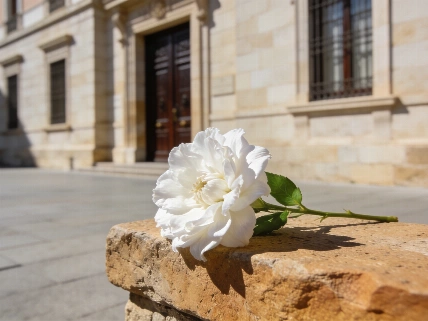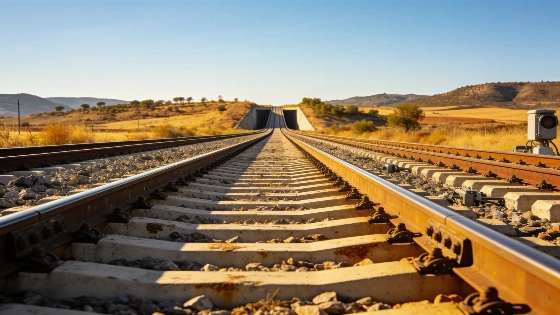
The crash in Urda, Toledo, killed 69 people and left about 215 injured, according to figures cited in Fran Vázquez’s interview with Jorge Bustos on 'Herrera en COPE'. The collision occurred at about 8:53 a.m. on 28 October 2026 on the Madrid-to-Seville high-speed line between Urda and Los Yébenes. A Renfe AVE train and an Iryo service were involved. Vázquez’s father, Antonio Vázquez, a well-known bullfighting agent, was among those killed.
Vázquez said the €72,000 amount discussed publicly is the compulsory accident insurance payment, not a government grant. On 25 November, the Andalusian Council of Government approved a separate decree-law providing assistance to people affected by the Urda and Adamuz crashes. The regional scheme had an initial allocation of about €2 million, with payments ranging from €2,500 to €16,828 and €14,424 designated for a death; it was described as compatible with other benefits. Vázquez said the decree setting out advance payments has criteria that slow the process and that, according to his lawyer, the insurance money may arrive first. He questioned whether any payment could compensate for losing his father.
That distinction shaped his criticism of Prime Minister Pedro Sánchez’s statements about increased compensation. RUSSPAIN.COM has separately reported on Sánchez’s award to Nevenka; that report concerned a different matter. The Andalusian aid measure covered qualifying victims and relatives connected with both crashes and was separate from the compulsory passenger-accident insurance payment.
Vázquez said no one from the Government had contacted the families he knew, including those affected by the earlier Adamuz crash, which killed 46 people. The Andalusian measure recorded 115 deaths across the two incidents. Urda accounted for 69, and 16 of those fatalities were Andalusian residents. He also described difficulties with insurance paperwork: families who submit a death certificate are, he said, being asked for further medical certification that the deceased was aboard the train and died there.
He called for the courts to establish responsibility for the Urda disaster, saying accountability should extend through every level. The investigating court in Orgaz, Toledo, authorized Adif to rebuild the damaged track near kilometre 118, subject to documentation of the work in two stages and submission of records to the judge for the criminal proceedings. The investigation remained under judicial secrecy, and the repair authorization did not establish responsibility. Spain’s independent accident-investigation authority, Aitat, was examining the LZB train-protection system and instructions from the Atocha control centre, including the conditions for resuming operations using a backup system. The account also records his criticism of former Transport Minister Óscar Puente and his view that Puente’s subsequent resignation brought him no relief; only a judicial determination of responsibility would do so.
Vázquez thanked members of the public for the support shown at his father’s funerals in Madrid and Seville. He also thanked the Junta de Andalucía and the Community of Madrid. Madrid City Council also received his thanks. He singled out Casa Real and Guardia Civil for particular support. Separately, Spain’s Council of Ministers declared the Urda-affected area seriously affected by a civil-protection emergency, opening access to economic aid and recovery measures for eligible people able to prove personal or material damage.
On railway safety, Vázquez pointed to nearly 40 million people using the AVE in 2024 and said insufficient maintenance puts passengers at risk. He also said it was causing anxiety among Renfe workers, with a high proportion taking leave for that reason.