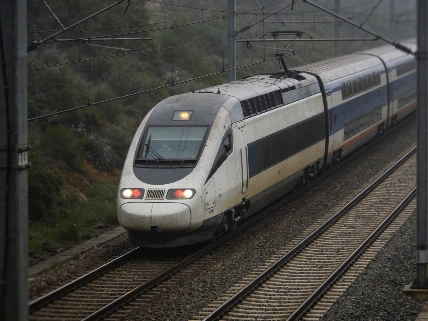
A €111,646,340 EU grant awarded in June 2024 is central to two investigations into work on Spain’s oldest high-speed line. The European Public Prosecutor’s Office (EPPO) is examining possible fraud involving EU money allocated to renovations and upgrades to safety systems, including signalling and communications, following the Urda crash on 28 October, in which 69 people died. The financial inquiry is separate from investigations into the collision’s causes.
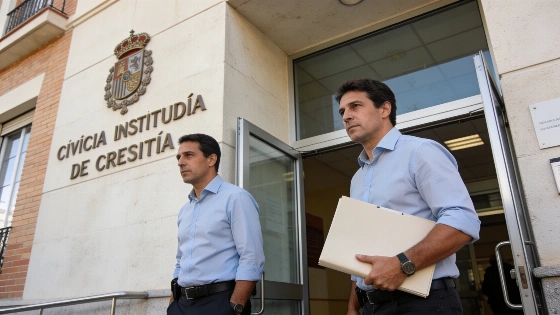
On Friday, 6 November, Guardia Civil agents from the Central Operational Unit (UCO) went to the headquarters of ADIF and the State Railway Safety Agency (AESF) to request records. They also sought documents from Spain’s Court of Auditors. The EPPO said it was carrying out investigative measures at all three institutions, with support from the UCO, and had opened the inquiry on its own initiative. The measures concern possible fraud involving EU funds for work on the Madrid-Seville high-speed line.
The funding package, awarded by Brussels in June 2024, covered a major renewal of the Madrid-Seville route. Its stated scope included replacing rails and sleepers with European Regional Development Fund (ERDF) money. Prosecutors have requested contracts and works files for the sections where the crashes occurred. The EPPO investigation concerns the use of EU funds; it is separate from the technical and criminal investigations into the accidents.
The Urda inquiry follows an earlier investigation into the same infrastructure. The EPPO opened that case on 30 January over possible fraud involving funds allocated to maintenance. It became public in March, 11 days after the Adamuz crash in Córdoba, which killed 46 people.
The two European inquiries are running alongside separate criminal investigations by courts in Orgaz, Toledo, and Montoro, Córdoba, into the causes of the crashes and possible criminal responsibility. The Urda collision involved a Renfe train striking the rear of a stationary Iryo train. More than 540 people were aboard the two services; 58 were reported injured, also to the 69 fatalities. Spain’s EFE news agency reported that investigators were examining the control centre’s response after the LZB safety system failed. They are looking at why one train was authorised to resume its journey while the other remained stopped ahead. Those courts are examining the accidents; the European Public Prosecutor’s Office is focused on whether EU funds were misused.
For the Adamuz case, the National Court appointed judge José Luis Calama as the magistrate responsible for safeguarding the proceedings. A different judge will oversee the Urda inquiry. In Spain’s system, the European prosecutors direct the investigation, while the designated judge supervises legal safeguards and authorises measures that restrict fundamental rights, including searches of homes or telephone interceptions.