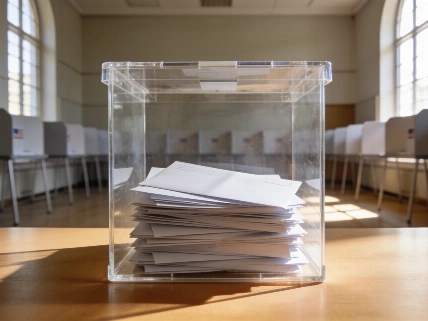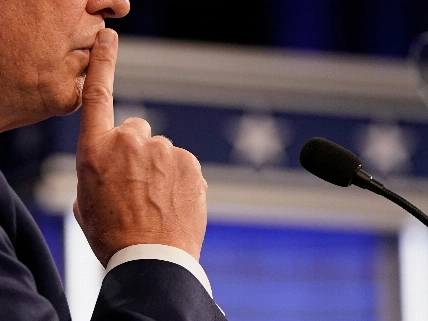
Donald Trump held rallies in Carolina del Norte and Pensilvania on the eve of the November 2024 US election. He also appeared in Michigan, while Kamala Harris ended her campaign in Filadelfia. In Estados Unidos, candidates can ask voters for support right up to the final moment before polling.
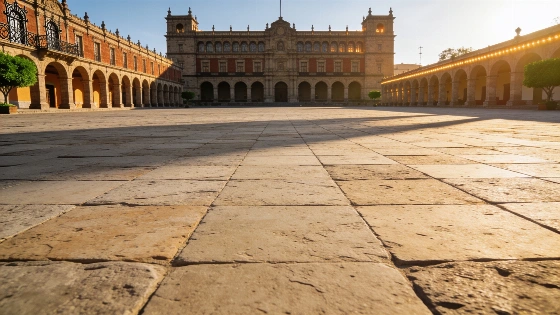
The rules differ sharply elsewhere. México prohibits “la campaña, propaganda y proselitismo electoral” during the three days before voting. Claudia Sheinbaum’s campaign for the 2 June 2024 election ended with a rally at the Zócalo del DF on 29 May.
Argentina sets a shorter period: its campaign silence lasts 48 hours. Spain and Francia have broadly similar arrangements, as does Portugal. Italy adds a longer restriction on publishing opinion polls, which applies for two weeks. Across Europe, there is no single EU-wide silence period: European Commission guidance operates alongside each member state’s more specific campaign laws.
The distinction between a final-day blackout and broader campaign restrictions matters. In France, Article 52(1) of the Electoral Code prohibits electoral propaganda during the six months preceding an election, while Article 163(1) sets transparency requirements for large online platforms carrying promoted content relating to a debate of general interest. These rules extend well beyond a short pre-election pause.
Several European countries permit campaigning on the day before an election. Alemania and Reino Unido are among them. The same rule applies in Países Bajos and Suecia, as well as Finlandia. Restrictions on campaign messages can still apply inside polling stations. The European Commission’s report on the 2024 European Parliament elections also records wide differences in campaign calendars: campaigning can begin more than nine months before election day in Germany and Portugal; Sweden also falls into that group. In Finland, campaigning begins six to nine months ahead. Belgium and Czechia, along with Lithuania, Latvia and Slovakia, allow campaigns to start three to six months ahead. These start dates are separate from rules on election-eve campaigning.
Election-silence laws can cover more than rallies and candidate appeals: countries may also restrict political advertising and publication of opinion polls. They can also regulate election-related broadcasting. North Macedonia’s Electoral Code, for example, bars campaign participants’ electoral media presentation during silence but allows broadcasters to report on the election process, distinguishing process coverage from campaigning.
Online campaigning has made these rules harder to monitor. Political material can circulate across borders and remain accessible during a blackout. The Council of Europe has noted that the shift of electoral reporting and campaigning to online platforms complicates oversight of bans on campaigning. It also makes it harder to monitor restrictions on polls and election results.
Campaign activity in Spain has also featured in coverage of a Valencia rally, alongside reporting on the bank levy announcement.