A gate in Ceuta’s border fence was left open during the mass entry on 30 and 31 July because the crowd made it unsafe to close, Gonzalo Sanz told the National Court. The former chief of staff to then-government delegate Miguel Ángel Pérez Triano gave evidence as a witness before investigating judge María Tardón, who is examining what Spanish institutions knew before the crossing.
Sanz said the local delegation had sought help from Madrid in the days before the entry, as migration flows increased. Ceuta officials had begun requesting additional personnel and equipment as early as 8 July, according to testimony reported in the case. He said Pérez Triano had contacted state secretaries, with most calls going to the secretary of state for security. According to Sanz, the delegate was frustrated that warnings about the risk of a repeat of the 2021 events had not been taken seriously.
He told the judge that officials in Madrid had characterised the warnings as summer concerns that would pass. Sanz said Pérez Triano had fought to be heard and argued that he should have resigned earlier. On 30 July, the delegate spent the day calling Madrid for help and went to the border at night, arriving after the army had deployed, Sanz said. He described the warnings as alarming, while accounts of his testimony said Interior Ministry officials treated the situation as “summer business.”
The account follows a separate report on the border alert, which said a CNI liaison had warned about activity in the area and that Sanz had said Ceuta sought assistance days earlier; read the earlier account of the warning. Separately, Spain’s consul general in Tetouan, Fernando Villalonga, told the court that he sent the ambassador in Rabat a WhatsApp warning on 29 July. He had received information from a CNI liaison and seen groups gathering near the frontier. He reportedly described the situation as “volatile.” The court has sought confidential communications between the consul and ambassador.
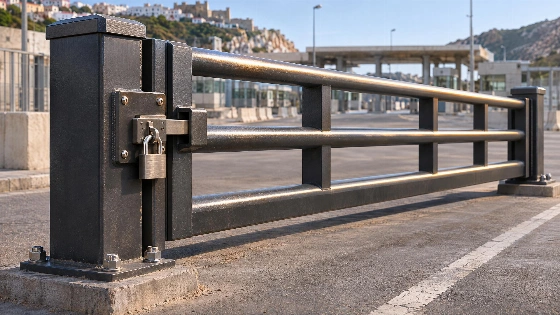
Sanz also defended keeping the gate open, saying the pressure of the crowd made closure impossible. A Guardia Civil lieutenant colonel who led the border deployment had previously told Tardón that the gate was normally open. He said he had decided on his own initiative to leave the passage clear because closing it risked a crush and further deaths. Reports describe people entering by land and sea. Some swam around the Tarajal breakwater or used inflatable rings.
On Morocco’s role, Sanz said he believed the country could have done more and had been willing to allow an assault on Spanish sovereignty. Those were his opinions, not findings by the court. When opening the investigation, Tardón had pointed to indications of a coordinated and intentional offence allegedly committed abroad. She also said she would examine the response and warnings on Spanish territory. Police investigators have reportedly considered whether the crossing was pre-planned; the court has not issued a final determination on responsibility.
The inquiry also concerns how authorities handled alerts and what response measures were available to them. Pérez Triano became the first person placed under investigation in the case after the judge received complaints filed against him in Ceuta and reports concerning his possible involvement. He is scheduled to appear before Tardón as a person under investigation. Sanz said the delegation had not received information about Moroccan boats in the area and doubted that Pérez Triano had known of them. He added that social-media warnings had appeared in previous years, but he could not say whether they had been of a similar scale.
The scale of the crossing is also reflected in differing estimates: judicially cited figures put the number of entries at about 72,000 over 30 and 31 July, while other accounts have put the total closer to 80,000 or 100,000. A Guardia Civil report reportedly estimated that 5,000 to 8,000 people remained in Ceuta on 3 August; Interior Minister Fernando Grande-Marlaska cited about 2,000 the following day. The inquiry remains active. Further examination of officials’ testimony and communications forms part of the investigation.