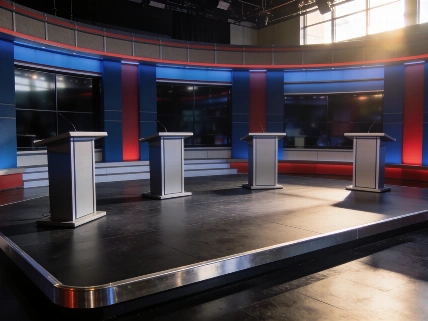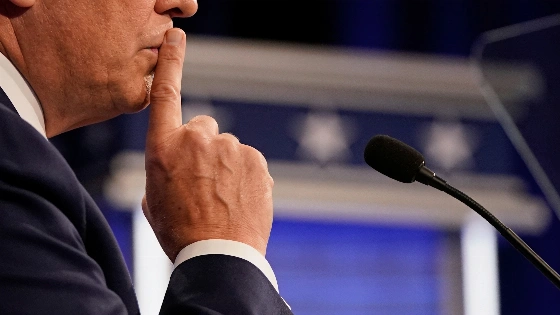
Alberto Núñez Feijóo often points his index finger when reprimanding or blaming political opponents, Patrycia Centeno said on Más Vale Tarde. During the four-way debate, that familiar gesture accompanied his remark “y tú calladita” to former Barcelona mayor Ada Colau. The televised debate took place in Tres Cantos at 22:00 on 26 November 2026, three days before Spain’s scheduled general election. Pedro Sánchez and Feijóo shared the campaign stage with Santiago Abascal and Colau for the first time.
The exchange came during an argument over the government’s handling of the 2024 Valencia floods. Feijóo criticised Sánchez over Paiporta, one of the areas hardest hit, then turned to Colau and said “Y usted, calladita” as he moved his index finger toward his lips. Colau was no longer Barcelona’s mayor and held no government post during the floods. The phrase can be read either as an instruction to keep quiet or as a criticism that she had stayed silent. The gesture and feminine diminutive also drew criticism from left-wing opponents, who described the remark as sexist or patronising.
Centeno said Feijóo brought the finger towards his lips but stopped short of touching them. In her interpretation, he seemed to realise unconsciously that completing the movement would be a mistake. The gesture quickly went viral, she said, and became a major focus of discussion. Coverage of the debate likewise identified the Feijóo-Colau exchange as its most discussed moment, despite the absence of a clear overall debate winner.
For Centeno, the movement carries meaning beyond the words themselves. La Sexta’s coverage of her analysis focused on the finger stopping just short of the lips. The finger-to-lips movement is conventionally understood as a signal for silence.
She compared the risk of a revealing debate gesture with George H. W. Bush repeatedly checking his watch during a debate with Bill Clinton. The habit conveyed impatience and a desire to leave, Centeno said. A small movement can shape how an audience reads a candidate.
The candidates’ preparations had also drawn attention before the debate. A campaign debate report said Pedro Sánchez intended to rely on respect and data, while Feijóo planned to press him over funding for his party primaries.
Centeno saw a marked change in Sánchez’s performance compared with the earlier face-off. He appeared more active and comfortable in front of the cameras. His blue suit and red tie recalled what she called the “uniforme Trump” and the colours of Superman; she said clothing can have a psychological effect on the person wearing it. Sánchez lowered his gaze and fell silent when Feijóo raised the Zapatero case.
Centeno described Santiago Abascal’s manner as especially aggressive, with a tone familiar from his appearances in Congress. She pointed to his clenched jaw and furrowed brow. His smile showed his teeth, which she explained can serve as a warning: the instinctive purpose of showing teeth is to deter an attack. A smile, in her reading, does not always signal sincerity or ease.
Colau, by contrast, held eye contact with the camera while addressing her opponents. Centeno said that approach can build a sense of connection with viewers and encourage empathy.