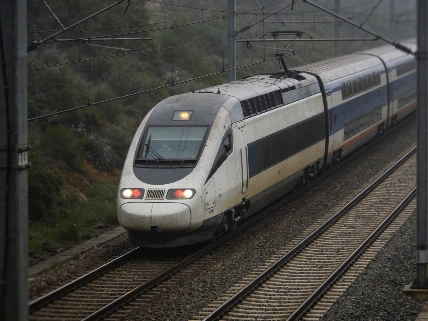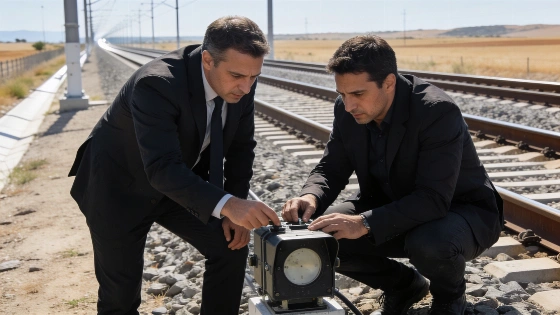
The crash near Urda, in Toledo province, killed 69 people on 28 October and has prompted an inquiry into European funding for the Madrid-Seville high-speed line. On 6 November, the European Public Prosecutor’s Office (EPPO) announced an investigation into possible fraud involving EU funds allocated to renovating and upgrading the line’s safety systems, including signalling and communications.
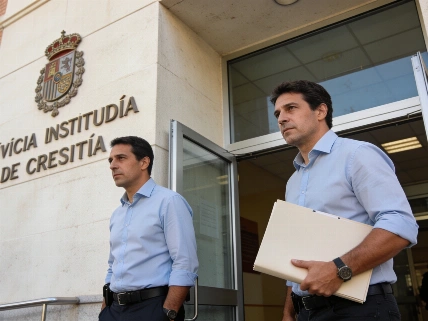
The Guardia Civil’s Unidad Central Operativa (UCO) has requested information from Adif, Spain’s railway infrastructure administrator. The requests also cover the Tribunal de Cuentas and the Agencia Estatal de Seguridad Ferroviaria, EL MUNDO reported, citing investigation sources. The EPPO said its Madrid office was conducting investigative measures at all three institutions, with operational support from the UCO.
Fiscal sources told EL MUNDO that investigators are seeking contracts involving European funds for the line’s LZB or ERTMS systems. The EPPO said it opened the case on its own initiative, or ex officio, after a verification process lasting only a few days. It then instructed UCO agents to obtain the files without delay. The announcement said the investigation concerns possible fraud affecting EU funds; it did not establish that funds had been misused or that the upgrades were connected to the crash.
The EPPO inquiry is separate from the investigation led by the judge assigned to post No. 2 of the Civil and Investigative Section of the Tribunal de Instancia de Orgaz in Toledo, which is examining the circumstances of the accident. At a European Commission press conference on 4 November, Executive Vice-President Raffaele Fitto said Spain’s investigation authority had requested technical support from the European Union Agency for Railways. The agency is to assist while Spanish investigators retain authority and direction of the investigation. Fitto said it was too early to draw conclusions about the cause of the accident.
EL MUNDO had previously reported a separate EPPO investigation into European funding for maintenance of the same high-speed railway line, opened in March 2026. The European body is empowered to investigate offences affecting the EU’s financial interests and take them through prosecution to judgment. Opening cases on its own initiative is uncommon: in 2025, it did so in four of 108 verification processes.