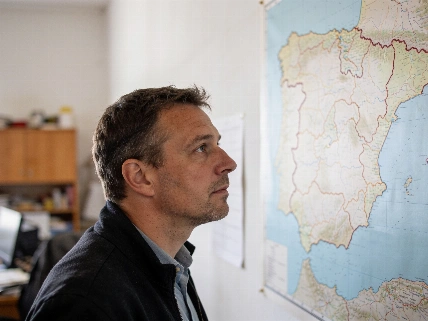
Several Spanish regions have activated red heat alerts as maximum temperatures are forecast to climb sharply, particularly in the Mediterranean archipelagos and the southwest. The steepest increases are expected along the coasts of the Valencian Community and Catalonia, while much of the country should see stable weather and clear or mostly clear skies.
Spain’s national meteorological agency, AEMET, issues color-coded weather warnings with regional and provincial detail, reflecting sharp differences in conditions across the country. A red alert signals exceptionally dangerous weather and calls for heightened caution. The agency’s warning service lists the specific hazard and affected territory, along with the alert period. Forecast alert thresholds describe anticipated risk, while temperatures recorded by AEMET’s station network are reported separately as observations.
Most of Spain will see little cloud cover. The western Cantabrian coast and northern Galicia are exceptions, with overcast skies and a chance of light, scattered rain. Some neighboring northern areas may also be cloudy early in the day, though skies are expected to clear. In the afternoon, clouds are likely to develop over the interior of the eastern third of the peninsula and the Cantabrian Mountains, with a low chance of isolated showers or thunderstorms.
Morning fog banks are expected in parts of the Cantabrian region, the upper Ebro and Galicia, potentially reducing visibility for commuters and travelers. Haze is also forecast in the eastern third of the peninsula and the Balearic Islands, with possible effects on air quality and outdoor activities. These visibility and cloud conditions are separate from the heat alerts affecting other areas. AEMET’s territory-specific warnings let residents and travelers check the hazard and timing for the precise area concerned, rather than treating Spain as a single weather zone.
Recent weather events in Europe have highlighted the challenges posed by extreme heat. The Tour de France, for example, has had to adapt its stages and introduce advanced cooling measures for athletes, as detailed in this report on cycling teams' response to record temperatures. These developments reflect a broader trend of rising summer heat across the continent, with Spain facing risks and adjustments of its own.
The wider 2026 summer offers further context: figures attributed to AEMET and reported by 20minutos put the average summer temperature across mainland Spain at 24.5°C, with some locations reaching 44.4°C and rainfall scarce. A European assessment estimated 6,824 heat-related excess deaths in Spain. That figure is an epidemiological estimate of excess mortality, not a count of deaths directly attributed to this particular alert.
Spain’s meteorological services regularly issue color-coded alerts to inform the public about weather-related risks. A red alert, the highest level, signals exceptionally dangerous conditions and calls for heightened protective behavior, especially among vulnerable groups such as older people, children and those with pre-existing conditions. Residents and visitors should follow AEMET’s updates for their specific province and alert period, along with guidance from local authorities.