Pedro Sánchez insists on cooperation with Morocco during the Ceuta migrant crisis. The government sets a year-end target for stability. Opposition and public opinion remain unconvinced by Madrid’s approach.
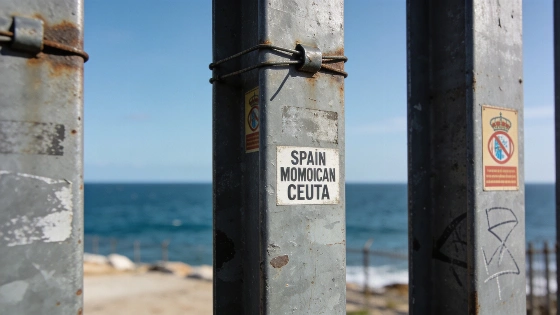
Pedro Sánchez has made Spain’s relationship with Morocco central to his government’s response to the Ceuta migrant crisis, stating that most migrants who entered the city should be returned to Morocco. In a televised interview on La Sexta, Sánchez defended this approach, but found himself politically isolated—neither opposition parties nor coalition partners have backed his stance. Polls also show that many Spaniards are sceptical about defending Morocco’s role in the crisis.
The government’s position comes as reports circulate that Moroccan border forces offered little resistance during the mass entry into Ceuta. Despite these claims, officials at La Moncloa say they cannot escalate the issue into a diplomatic dispute without “solid evidence,” which they argue is lacking. Sánchez has publicly justified his pragmatic approach, saying that maintaining a working relationship with Morocco is necessary to resolve the crisis and prevent similar incidents. Morocco’s Ministry of Foreign Affairs, quoted by Al Jazeera, has denied any involvement in the mass crossing, saying there is no evidence implicating Moroccan authorities and accusing Madrid of using Morocco as a scapegoat.
Spanish authorities are preparing to declassify around 40 intelligence documents related to the Ceuta migration crisis, aiming to clarify what was known by security services before the incident.
Opposition parties PP and Vox have suggested that Morocco may hold sensitive information about the Spanish government, especially after the Pegasus spyware breach that targeted Sánchez and several ministers. Sánchez has dismissed these theories as fiction, insisting that government policy is based on facts, not rumours. According to RusSpain and Demócrata, he has repeatedly said there is no evidence linking Morocco to the Pegasus hacking or to any leverage over Spanish policy.
Madrid has set a provisional deadline of the end of the year to stabilise Ceuta, with Minister Ángel Víctor Torres leading the crisis response. The government has not given an exact figure for how many migrants remain in the city, citing difficulties in providing precise numbers. Sánchez claims that “nine out of ten” migrants have already left, and preparations are underway to expand accommodation to 10,000 places if needed. Morocco World News reports that more than 5,300 migrants have returned to Morocco, about 100 have withdrawn asylum requests, and 864 people have been moved to temporary closed accommodation.
The government says its approach is driven by necessity, but the lack of transparency and the perception of leniency towards Morocco have drawn criticism. Some reports published earlier described Moroccan gendarmes as passive during the crossing, which has further eroded public confidence. The European Parliament’s investigation into the Pegasus case pointed to Morocco as a possible source of the espionage, but Sánchez continues to reject any link between the hacking and his diplomatic policy.
BBC and Euronews report that Spanish intelligence services had warned of a possible mass crossing into Ceuta in advance, but the government maintains that the scale of the crisis could not have been predicted. This divergence has led to internal criticism, with Prime Minister Sánchez reproaching the CNI for insufficient foresight, while the Defence Minister insists that warnings were indeed issued.
As the crisis continues, Ceuta remains under exceptional management, with no clear timeline for a return to normal. The government’s refusal to provide concrete data on migrant numbers adds to the uncertainty. For context, a recent statement by Ceuta’s president highlighted the ongoing strain on local resources and the need for national support.
Spain’s handling of the Ceuta crisis shows a government balancing diplomatic caution with domestic pressure. By prioritising relations with Morocco, Sánchez has chosen to avoid open confrontation, but many Spaniards question the cost of this approach. The lack of political and public consensus points to a leadership willing to stand alone to avoid a deeper rift with a key neighbour. For now, the government’s reliance on quiet diplomacy over public accountability risks further eroding trust, especially as the situation in Ceuta remains unresolved and stability is still out of reach.