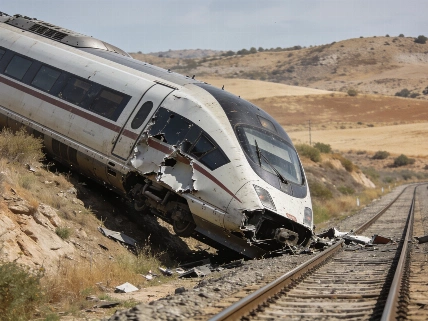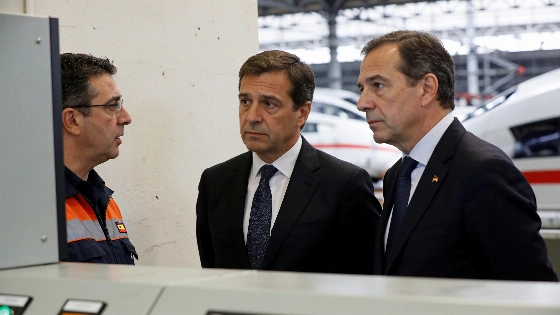
At Madrid’s Atocha rail control centre, Sánchez and Puente spent more than two hours reviewing technical explanations and reconstructions of the Urda crash. The visit came as senior sources said the prime minister had urged the transport minister to stay in office. The collision occurred at about 8:53 a.m. on 28 October near Urda, in Toledo province, on the Madrid to Córdoba high-speed line between Los Yébenes and Urda.
Information from those sources, Puente told Sánchez he would leave if his continued presence became a problem for the government’s project. Sánchez asked him to remain, arguing that early assessments did not link the crash to a political decision for which the minister was responsible.
Those initial assessments instead pointed to human error beyond Puente’s control, sources said. The investigation had not reached a final account of what happened. Preliminary accounts reported that an automatic LZB safety system failed at about 8:30 a.m. along a 63-kilometre stretch south of Toledo, automatically halting six trains. One AVE service was later authorised to continue while an Iryo train remained stopped about 25 kilometres ahead. The collision killed at least 68 people, with reports putting the toll at 69, and injured more than 100. The Urda crash was described as the second fatal high-speed rail accident in nine months, following Adamuz, where 46 people died in January.
Pressure came from across the political sector.
PP and Vox called for Puente’s resignation. The PNV and Frente Amplio also questioned his responsibility and rejected the suggestion that human error alone could explain the crash. Comisiones Obreras called for his removal, accusing him of blaming workers after he pointed to the controller’s error.
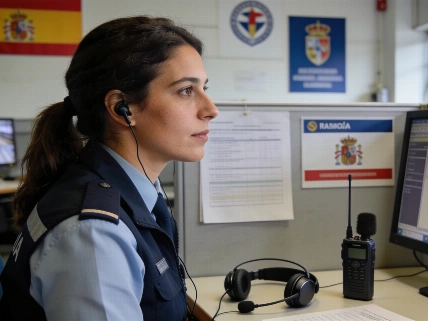
The controller had ordered the AVE to continue at normal speed despite an Iryo train stopped 25 kilometres ahead. The source account described that speed as maximum acceleration. Transport Minister Óscar Puente called the authorisation inexplicable, while the exact sequence of signals and communications remained under investigation. The Guardia Civil questioned the Adif controller who authorised the train to proceed, and technical investigators from the Comisión de Investigación de Accidentes Ferroviarios (CIAF) prioritised reconstructing communications between the Atocha control centre and the drivers. The distinction matters: early explanations focused on an operational error, while responsibility for the wider rail system remained a political question.
Within the PSOE and government, some argued that Puente should stay because the available findings did not make him personally responsible. Others believed a resignation could ease the political pressure and allow the government to move on from the crisis. They saw the government’s wider project as more significant than one minister’s position.
Public scrutiny also extended to rail maintenance, including questions raised in Motos’s rail report. Puente had previously survived the political fallout from the Adamuz crash by giving technical explanations and appearing frequently, but the Urda accident brought renewed demands for answers. After the Adamuz crash, discussions on improving rail safety began in January and ended in April without agreement, Reuters reported.
Sánchez’s instruction to his team was to develop technical improvements without rushing in response to campaign pressure, according to the sources. Puente was among those involved in reviewing the causes and considering measures intended to prevent another tragedy. The Guardia Civil and CIAF continued their investigations, while judicial authorities remained involved. No final determination of the cause or responsibility had been made. Sánchez pledged a full inquiry and said negligence, if established, would come to light and any safety-system failures would be addressed.