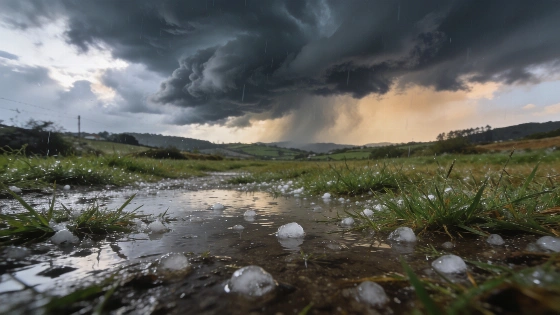
Spain is bracing for a turbulent Wednesday as the national weather agency issues orange alerts for storms and heavy rain. From Madrid to Valencia, millions face flooding risks as temperatures swing sharply and winds strengthen.
Large parts of Spain are under orange weather alerts as the national meteorological agency, AEMET, warns that intense storms will bring heavy rain and sudden temperature drops on Wednesday, 16 September 2026. The most severe weather is expected along the Cantabrian coast and in eastern regions, including parts of the Mediterranean, where authorities are urging residents to prepare for possible flooding and strong winds. RTVE and other Spanish media report that the highest risks are in the east and northeast, including Aragón and Baleares, as well as Catalonia and Comunidad Valenciana. Valencia and Teruel, along with Barcelona and Girona, are forecast to see especially strong storms and hail.
Madrid will also see unsettled weather. After a calm start, thunderstorms are expected in the afternoon, with temperatures ranging from 15 to 28 degrees. Winds from the north will strengthen as the day goes on. While headlines mention a "nationwide" orange alert, the official warnings at this level are focused on specific eastern and northeastern regions, not the entire country, as confirmed by AEMET and Infobae.
In Catalonia, authorities activated the Inuncat flood response plan due to forecasts of over 60 liters per square meter of rain in just three hours in parts of Barcelona and Girona.
: Protecció Civil
In the south, Andalucía faces a split forecast. The west will see clear skies and highs of up to 37 degrees, but the eastern third is on alert for sudden storms and heavy rain. The Estrecho will be hit by strong westerly winds later in the day, raising concerns about local transport and safety. This sharp contrast reflects a broader shift in Spain's weather: the week began with lingering heat in the south, also affecting the Canary Islands, but a rapid transition to stormier, cooler conditions is now underway, as noted by The Olive Press.
Catalonia is preparing for a dramatic change. After a quiet morning, the afternoon brings a high risk of severe thunderstorms, especially in Girona and Barcelona, where rain could be torrential and temperatures will range between 11 and 32 degrees. Demòcrata reports that rainfall in Girona and Barcelona could reach up to 100 liters per square meter over 12 hours, while Valencia may see up to 40 liters per square meter in just one hour in the orange alert zone. Aragón and Asturias are also at risk, with meteorologists warning of hail and wind gusts strong enough to disrupt daily life.
The Balearic Islands and the Canary Islands will see a mix of sun and clouds, but Mallorca stands out for its risk of intense afternoon downpours. The Majorca Daily Bulletin notes that the most unstable phase for the Balearics is expected to intensify after September 16, with warnings possibly escalating into the evening. Galicia and Comunidad Valenciana are also on alert, with Valencia and southern Castellón flagged for particularly violent storms as the day goes on.
AEMET assessed the expected rainfall as highly impressive, with some areas in the northeast forecast to receive up to 100 liters per square meter in 12 hours. This episode is part of a broader weather turnaround following a period of intense heat earlier in the week.
: AEMET
Castilla y León and Castilla-La Mancha will have variable skies and wide temperature swings, with lows down to 5 degrees and highs up to 34. Ceuta and Melilla are set for a more stable day, with mild weather and little risk of rain.
The northern regions of País Vasco and Navarra, along with La Rioja, will see persistent clouds and light rain as temperatures drop. These conditions could affect travel and outdoor plans, especially as the weather system moves east through the afternoon.
While Spain's varied climate is nothing new, the scale and intensity of this week's weather warnings are unusual for mid-September. AEMET's orange alert signals a real risk of disruption and property damage, with potential danger for those unprepared.
Spain's unpredictable weather contrasts with other recent national headlines, including the recently reported family feud involving Cayetano Rivera. This time, though, the threat is meteorological, and it affects millions.
Spain's infrastructure and emergency services are used to sudden weather events, but the coming hours will test their readiness. The country's varied geography means that some regions will still feel late-summer heat, while others face storms and strong winds.