Sánchez Demands European Commission Protect Francesca Albanese from US Sanctions. Pedro Sánchez has asked Ursula von der Leyen to protect UN representatives from US sanctions. Spain is proposing to use a European mechanism to block such measures. The decision could impact relations between the EU and Washington.
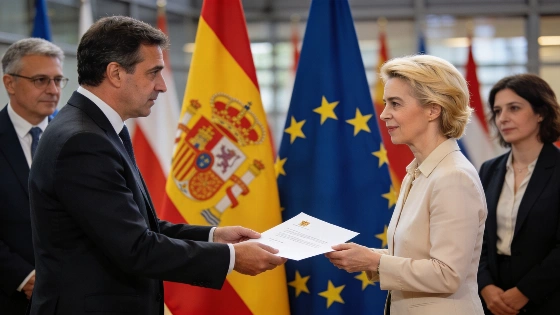
Spanish Prime Minister Pedro Sánchez has sent an official letter to European Commission President Ursula von der Leyen, demanding protection for Francesca Albanese, the UN Special Rapporteur on the Palestinian Territories, from sanctions imposed by the United States. Sánchez insists on invoking the so-called 'Blocking Statute'—a European mechanism that allows the neutralization of foreign sanctions within the EU when they affect the interests of member states.
In the letter, Sánchez emphasizes that US sanctions against Albanese and other defenders of international law set a dangerous precedent. In his view, such measures undermine the independence of key international institutions, including the International Criminal Court, which has also faced pressure from Washington over investigations involving Israeli officials. Sánchez notes that such actions could threaten the entire system of international justice.
Reaction of Spain and the EU
The Spanish government believes it is time to extend the scope of the 'Blocking Statute' beyond commercial interests. Sánchez proposes using this instrument to protect not only businesses but also individuals whose activities are connected to supporting international law. He also announced plans to seek the support of other EU countries to promote this initiative.
Sanctions against Francesca Albanese were imposed by the Donald Trump administration in July 2025. The Italian lawyer had her assets frozen, her visa revoked, and was banned from entering the United States, accused of "open antisemitism." Albanese’s relatives filed a lawsuit against the U.S. authorities, claiming the punishment destroyed her life and that of her loved ones.
The context of international pressure
Similar U.S. sanctions were previously applied to staff of the International Criminal Court if they investigated U.S. citizens or their allies, including Israel. In his letter, Sánchez specifically mentioned eleven judges and prosecutors who faced similar restrictions. Washington openly criticized the court’s decisions, as it is not part of the American judicial system, but has issued arrest warrants for Israeli officials suspected of war crimes in Gaza.
In recent years, Spain has actively advocated for defending the principles of multilateralism and the independence of international institutions. At recent international meetings, including in China and at the Progressive Leaders Summit in Barcelona, Sánchez repeatedly raised the issue of pressure on international courts and threats from the United States. The issue of protecting human rights defenders and judges is becoming increasingly relevant against the backdrop of the ongoing conflict in the Middle East.
European experience and precedents
The “Blocking Statute” was previously used by the European Union to protect European companies from US sanctions, for example, regarding Iran. However, as Sánchez notes, this mechanism should now become a tool not only for economic but also legal protection. The issue of expanding its use may be discussed at upcoming meetings of the European Commission.
The topic of pressure on international institutions and protecting their independence has already been raised on the European agenda. For instance, in Barcelona, questions of historical memory and human rights were discussed when former political prisoners demanded the creation of a memorial at the site of the former Via Laietana police headquarters — more on this can be found in the article about the demands of torture victims to the city authorities.