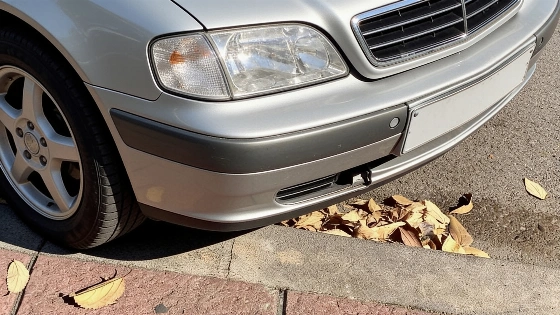
A 20-by-17-millimetre security mark sits within the reflective sheet used for Spanish number plates. It became compulsory on 18 October 1986 under rules for manufacturing and approving the plates.
The required mark is Spain’s official coat of arms, repeated across the reflective surface. Manufacturers also identify their material with a logo or another mark in a six-millimetre square. Both features are built into the sheeting, not added as decoration.
The pattern makes the reflective material harder to copy using conventional materials and helps identify elements of that material. It does not guarantee a plate is genuine. Some plates still show a manufacturer’s mark, such as 3M, beside the small coats of arms.
The security detail predates Spain’s current registration format. When the country dropped provincial codes in September 2000, it adopted four numbers and three letters, alongside a blue band with the European stars and the letter E. The change left the marks in the reflective sheet untouched.
An October 2020 regulation retained the requirement and calls for the coats of arms to be distributed evenly across the sheet. Plates must also carry information identifying their manufacturer and supporting material traceability. These embedded features concern plate manufacture and material identification. DGT environmental labels, by contrast, classify vehicles for regulatory purposes and affect local rules such as Madrid’s C-label parking discount, covered in earlier coverage.