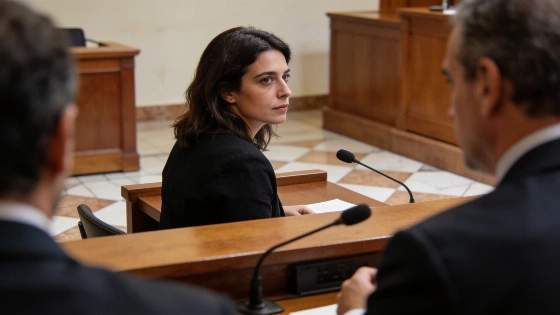
A trial in Castelló is examining a false complaint that grew into decades of online defamation. Former judge Sofía Díaz says the attacks left a digital record she cannot repair; prosecutors seek seven and a half years in prison for the leading spreaders.
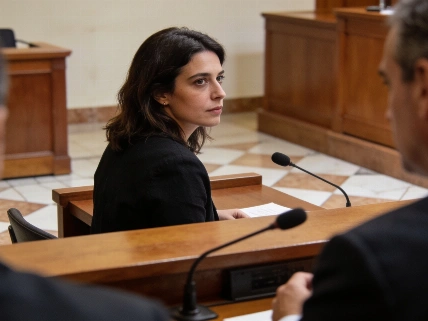
In the ten days before testifying, former judge Sofía Díaz said she had barely eaten or slept. She told the court that nearly three decades of attacks had taken a lasting toll. Online material about her, she said, continued to circulate beyond the control of those who posted it.
The prosecution is seeking seven and a half years in prison for the main spreaders of the Bar España hoax. The trial is taking place before Plaza 3 de la Sección Penal del Tribunal de Instancia de Castelló. Díaz, now president of the Provincial Court of Castelló, is among those targeted by claims of a child-abuse and murder network that did not exist.
The case began with a complaint in 1997. Reinaldo Colás, a hairdresser, accused his former wife's partner of sexually abusing his two daughters, then aged three and five. Díaz was the investigating judge in Vinaròs. Expert reports ruled out the alleged abuse, and she closed the case. Colás was later convicted of making a false complaint.
Gema R., who formerly directed the Baix Maestrat children's centre, described the complaint as the start of the ordeal. Colás died in 2017. The false story went on to accuse Díaz and politicians of involvement in, or concealment of, a paedophile network and murders of minors. It named Carlos Fabra. Francisco Camps and Mónica Oltra were also drawn into the allegations.
The hoax took shape alongside conspiracy theories about the Alcàsser murders. Fernando García, father of one of the girls killed in Alcàsser, tried to join the Bar España case as a popular accuser alongside Colás. Prosecutor Javier Carceller said Colás tied his allegations to the girls' case. Telecinco's Esta noche cruzamos el Mississippi, produced and presented by Pepe Navarro, repeatedly aired García's claims. García was later convicted in connection with them.
The accusations spread further when Colás's fortune-teller Lola blamed Díaz for the killing of a nurse in Benicarló, according to the judge's testimony. Fabra, then president of the Castelló provincial government, became another prominent name in the supposed network. Camps later described Colás as the source of the slanderous campaign.
Online, the claims grew beyond the original allegations. Posts invoked satanism and shadowy elites. Díaz said she reported material she found on social networks and identified Ramón Valero Martín Consuegra, known as Un técnico preocupado, Pilar Baselga, Gabriel Hernández Serrano of Las cloacas del sistema, and Juan Lankamp Riaza as people who spread it.
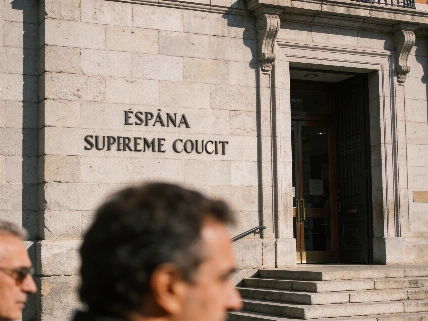
Baselga and Lankamp brought a banner carrying false paedophilia accusations against Díaz to the Ciudad de la Justicia de Castelló in 2017. In 2018, both were convicted by Juzgado de Primera Instancia número 4 de Castelló for an unlawful infringement of the judge's right to honour. Lankamp was also convicted by the Supreme Court for linking Juan Carlos de Borbón to the Alcàsser crime. His lawyer told the current trial that he had retracted. Díaz said Hernández continued spreading the hoax while under accusation.
The proceedings are separate from the Madrid camp case, where judges sought a government response before deciding on an immediate eviction request. In Castelló, Díaz said the defamatory material appeared across X, Instagram, Facebook and Telegram, as well as podcasts, websites and YouTube videos.
Valero's lawyer has also said his client retracted. Díaz described him as a major distributor of the claims and said he raised money for his defence after being arrested in this case. A search of his home found €200,000 in cash. His lawyer said another proceeding had established the funds' legality.
Gema R. said the allegations brought her messages of hate and cost her friendships. She also declined to join the prosecution because she feared possible reprisals. The public prosecutor apologised to Díaz for what he called secondary victimisation during some defence questioning.
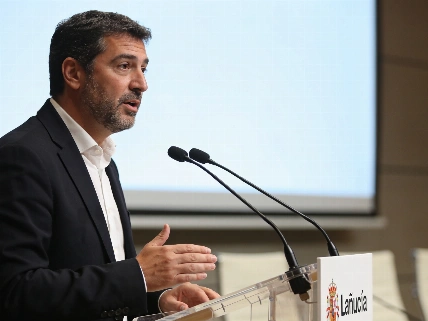
Carceller now faces the task of seeking the removal of defamatory material posted online. After reports of Díaz's testimony, a man who said he had been Colás's friend sent this newspaper a message defending the late hairdresser and claiming that senior judicial, police and political figures were untouchable.