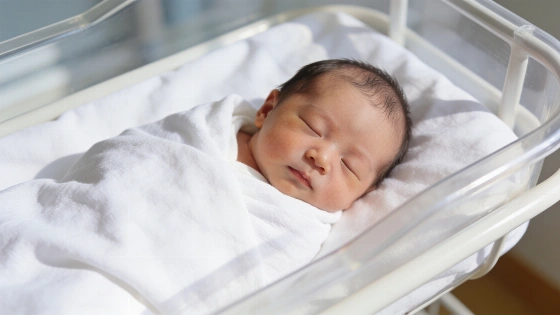
Among women over 40, the share of births rose from 7.8% in 2015 to 10.3% in 2025, according to figures from Spain's National Statistics Institute (INE) cited by RTVE. Its account of the Movimiento Natural de la Población 2025 survey says 321,684 babies were born in Spain, 3,679 more than in the previous year. Births had increased by 1.2% after ten years of decline, marking a break in the recent annual fall, although the total remained below levels seen a decade earlier. The INE also reported that deaths rose by 2.0% in 2025.
Marriage figures moved in the same direction. The INE data put the number of weddings at 179,823, up 2.5%, or 4,459 marriages, on 2024. Of those marriages, 7,767, or 4.3%, were between people of the same sex.
Energy policy was another focus of the roundup. At the COP31 climate summit in Antalya, Turkey, on 16 November 2026, Spain's Sara Aagesen backed the “35 by 35” initiative, which aims to raise electricity's share of global final energy demand from about 23% to 35% by 2035. Reporting on the initiative said it had attracted around 30 national endorsements. Spain's support was tied to expanding renewable generation and cutting emissions; Aagesen also said Madrid aimed to reach a comparable electrification share nationally by 2030. RTVE reported that clean energy sources already accounted for almost 57% of Spain's electricity mix. That figure measures the composition of electricity generation, while the 35% target concerns electricity's share of total final energy demand. Figures from the International Energy Agency cited by Aagesen put Spain's savings on imported fuels at more than €14 billion through 2024.
The roundup also reported approval of a 4.5% pay rise for public employees in 2027. It said the measures covered in the report would benefit about 2.7 million workers, particularly women and young people. The source also reported an 8% increase in remuneration for court-appointed lawyers under a ministerial order.
In Panama, engineer Ilya Espino de Marotta was identified as the first woman to lead the Panama Canal. In an interview with RTVE's Radio Exterior de España, she discussed barriers in her career and the canal's challenges, including water scarcity and rivalry between the United States and China.
Work had also begun to remove the Sijena paintings from panels at the Museu Nacional d'Art de Catalunya for their return to the monastery in Aragon. The removal was due to continue behind closed doors over the following weeks, according to the report.
Among the science stories, the University of Nottingham had developed a smartwatch-sized device intended to help people with Tourette syndrome control their symptoms. RTVE also covered a Vall d'Hebron Hospital initiative to create digital human twins that could help predict how a disease may progress or which treatment may work best.
A private chef in Toronto was preparing 100 meals each week in collaboration with a food bank. The report's focus on charitable projects connects with this Madrid charity fair report, which also covered a fundraising event.