A Zaragoza conference brought together 47 speakers from 40 organisations to discuss ways to cut motorcycle crashes. Proposals focus on training and safer roads, with specific safeguards for delivery riders.
The DGT puts motorcyclist deaths in Spain at close to 500 a year, a figure cited as the two-day safety conference wrapped up in Zaragoza. Worldwide, mortality among motorcyclists has risen 30% over the past decade.
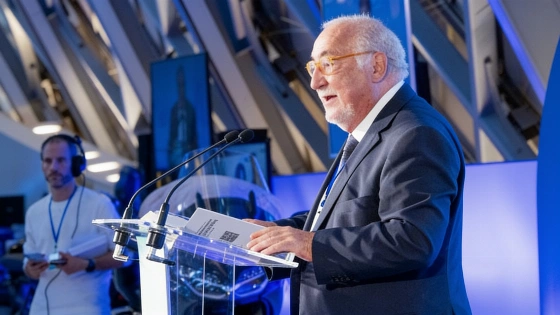
The II Conferencia Internacional de Seguridad Vial de la Moto met on 21 and 22 October, bringing together 47 speakers from 40 organisations. Its recommendations start with a practical point: motorcycles should be included in mobility plans as their use in cities grows and many people rely on them for work.
Delegates discussed applying the “Safe System”, which pairs training with measures to reduce risk. Speed controls are among them. The proposals also call for safer vehicles and road infrastructure adapted to motorcycles.
Training should cover car drivers as well as motorcyclists, the conference concluded. Rear-end collisions account for many crashes. Better records of accidents and injuries could help authorities analyse incidents and choose corrective measures. The DGT publishes motorcycle-crash analysis under the title “Motocicletas: así son sus siniestros en carretera” and provides rider-safety and training information.
Safety equipment was another focus. Participants discussed helmet tests that better reflect real-world impacts. They also considered airbags and motorcycle-specific ADAS.
Workers who depend on motorcycles need safeguards suited to their jobs. The conference called for realistic delivery times and dedicated safety plans. It also urged suspending routes during weather alerts. A separate vehicle issue in Valencia is covered by recovery aid applications scheduled to open on 2 November 2026.
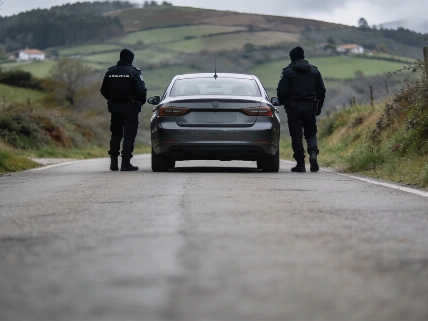
Collisions with cars were among the most common crash patterns cited. Road departures also featured. Some crashes involved no other vehicle.
DGT director Pere Navarro closed the event, saying Spain should share its road-safety experience internationally. He also called for the conference to remain a meeting point for practical solutions. Knowledge capable of saving lives, he argued, should cross borders. The DGT’s public road-safety material also includes “Motorista formado, motorista seguro,” reflecting its ongoing focus on rider information and training.