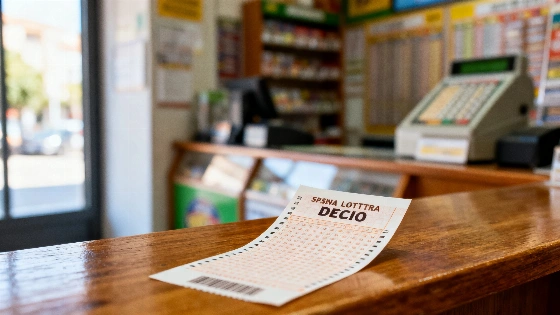
Spain’s National Lottery draw on September 12, 2026, is set to distribute €42 million in prizes, making it one of the year’s largest prize pools. The first prize is €60,000 per ticket, while the second prize is €12,000 per ticket.
The draw will take place at 13:00 in the Salón de Sorteos de Loterías y Apuestas del Estado, using the usual multi-drum system. Ten series of 100,000 tickets each are available. Each ticket costs €60 and is divided into décimos priced at €6. Seventy percent of ticket sales, €42 million, will be paid out in prizes. El País and other Spanish media describe it as a standard "ordinario" draw, following the Lotería Nacional’s regular Saturday rules.
Winners of the National Lottery in Spain have 90 days from the draw date to claim their prizes, as stipulated by national regulations.
Beyond the basic prizes, the draw offers several other ways to win. Four extractions of four digits pay €1,500 per series. Ten extractions of three digits and nine of two digits pay €300 and €120 per series, respectively. Numbers immediately before and after the basic winners also receive prizes: €1,000 per décimo for those adjacent to the first prize and €554 per décimo for those next to the second prize. Mundo Deportivo notes that this prize structure, including "aproximaciones" and minor extractions, matches previous ordinary draws.
Additional prizes are awarded for matching certain digits. Ninety-nine prizes of €30 per décimo go to tickets sharing the hundreds of the first or second prize. Matching the last three or two digits of the first prize brings €30 or €12 per décimo. The reintegro system refunds the original stake of €60 per ticket for tickets matching the final digit of the first prize or the special single-digit extractions. Demokrata reports that the décimo price of €6 and the full ticket price of €60 remain unchanged under the standard system used throughout the year.
This week’s décimo features a special design marking the 500th anniversary of the Council of State, the top advisory body to the Spanish government since Carlos I founded it in 1526. The institution’s long history echoes the lottery’s own tradition, which continues to attract millions of participants each year.
Independent aggregators emphasize that only the official results published by SELAE and ONCE are considered valid for verifying winning numbers after the draw. The protocol aims to ensure transparency and resolve disputes over prize claims.
In total, the ordinary draw will distribute 4,134,100 prizes, far more than most other games in Spain. Only Loterías y Apuestas del Estado validates the official list of winners; third-party outlets are not responsible for errors or omissions. This approach echoes protocols in other regulated sectors, including labor oversight in agriculture, as seen in a previous investigation.
The Spanish lottery remains a fixture of public life, rooted in tradition and regulation, with the hope of a big win. Its detailed prize structure and volume of payouts reinforce its reputation for transparency. As the country marks the Council of State’s 500th anniversary, the lottery’s popularity reflects the continuing place of tradition and the pursuit of luck in Spanish society.