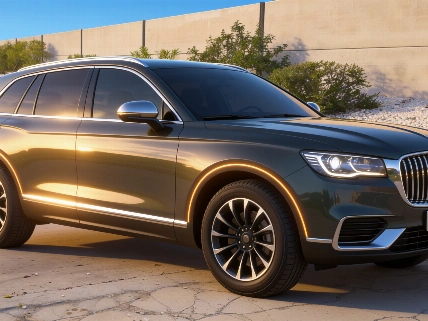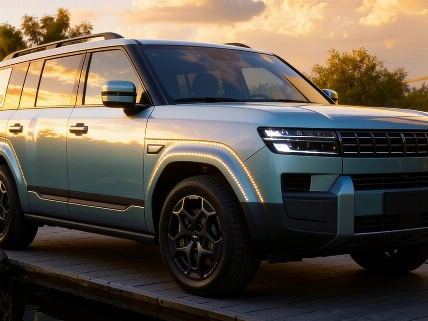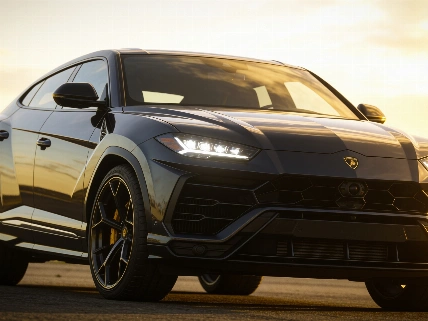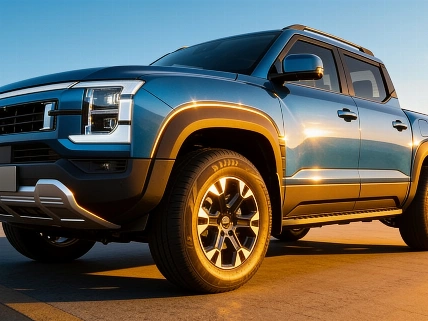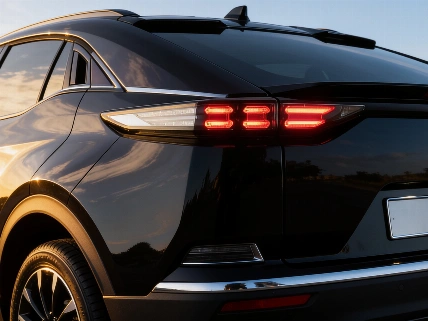
A car arriving at a military base can leave a digital record of when it arrived and how long it stayed. Much of the data collected by connected vehicles goes to manufacturers’ servers, according to a circular the Mando Conjunto del Ciberespacio (MCCE) sent to the armed forces on 16 November. The internal awareness bulletin warns that information gathered through cameras, microphones, GPS, radar, vehicle apps, Bluetooth and vehicle-to-everything (V2X) communications may expose information relevant to military security.
The guidance sets out precautions for personnel but imposes no ban on any make. Drivers are told to switch off sentinel mode and exterior recording inside military installations, disable voice activation, and avoid classified conversations in or near vehicles. The MCCE is concerned that combined data could reveal personnel routines, characteristics of installations and sensitive areas, rather than give a vehicle direct access to classified defence networks.
The circular also addresses links between vehicles and phones. Personnel should not connect official devices to unassessed multimedia systems or transfer a corporate mobile’s contacts, agendas or call history over Bluetooth, since the vehicle may retain or synchronize those records. It advises securing the manufacturer’s app with a unique password and two-factor authentication, using a separate personal account rather than a professional email address, installing official updates and relying on trusted Wi-Fi or data connections. Drivers are also told to check V2X settings and disable transmissions that are not mandatory.
Before using a rental car, personnel should check its recording and storage functions, disable nonessential features, and delete records before returning the vehicle. The guidance also calls for a factory reset before returning or transferring a rental car. That should clear information such as recordings, navigation data, accounts and paired-device details that may remain stored onboard.
A connected car does not gain access to classified defence networks or steal plans. Its intelligence value lies in the routines it can reveal: when vehicles arrive, where they go and how long they remain. Cameras can record the surroundings, microphones can capture cabin audio, while location and communications systems retain traces of movements and destinations. Across repeated visits, those records can help map a base’s pattern of life.
In 2018, soldiers’ Strava activity exposed the layouts of bases in Afghanistan and Syria. No hacking was involved; the location data was simply available through the app. The MCCE’s vehicle precautions address the same kind of information, which ordinary movements and recordings can reveal over time.
Norway’s Hovedstad exercise offered a more direct example. During the September 2026 exercise, which mobilised about 5,000 Home Guard personnel to defend Oslo airport, soldiers inspecting rental cars found video files showing their routes, entries and exits. The files also captured codes typed at military gates. At least two vehicles were Deepal models made by Changan, a Chinese state-owned automobile group. The soldiers deleted the recordings, and there is no evidence they reached Beijing. Norway’s defence minister told parliament that the risk had not been assessed before the exercise.
Several allies have gone further. Poland barred Chinese-made cars from protected facilities in February and prohibited service phones from connecting to vehicle screens. Germany has removed Chinese drones from the Bundeswehr and restricts connected vehicles in high-security areas. The cases differ: a drone is designed to observe, establish its location and transmit data, while a car collects information as part of its ordinary functions.
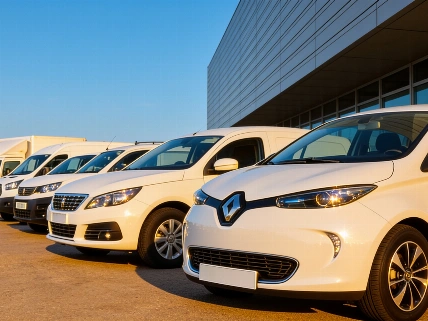
Spain’s guidance concerns military personnel and their private cars; it does not explain what safeguards apply to vehicles driven on duty. The Army bought 170 electric and plug-in hybrid vans from Maxus, part of China’s SAIC group, for logistics between bases. European recovery funds paid for the vehicles. In October 2025, the Government said it had no internal information on associated risks. The MCCE bulletin names no prohibited brand and imposes no general access ban.
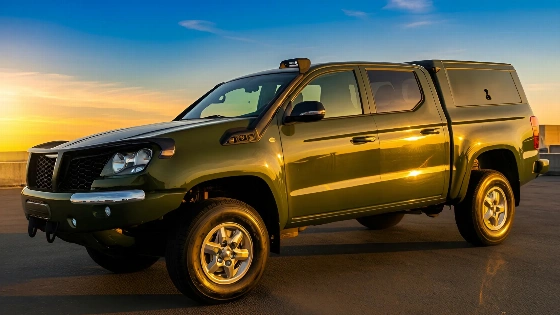
The VMTT fleet raises a separate question. A 2024 framework contract awarded to Seville-based Iturri covers up to 4,500 vehicles for €217 million including VAT. The value could rise to €315 million if a two-year extension is used. The Landtrek has Peugeot badging and a design from Changan; Iturri militarises it in Spain, and it is reported to have a German engine.
A military pickup’s chassis, engine and transmission do not establish whether it can send data. That depends on whether the vehicle has telematics equipment, cameras or remote updates. Defence has not explained whether the military version removes those systems. A separate report on the Ceuta port operation covered migrant accommodation and has no connection to the vehicle guidance.