Sánchez to Oppose EU Deportation Camps Amid Corruption Pressure. Pedro Sánchez is preparing for the EU summit, where Spain will oppose the creation of migrant deportation camps. Despite ongoing court cases and opposition pressure, the government maintains its course towards tightening migration rules.
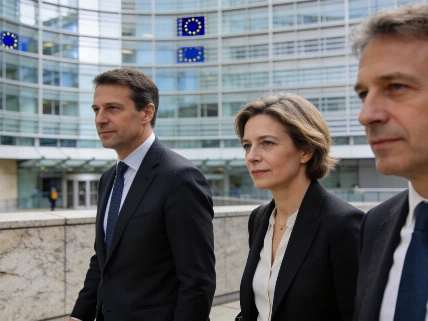
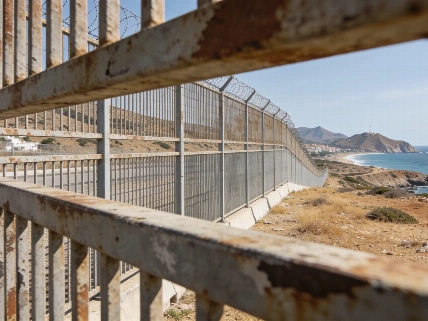
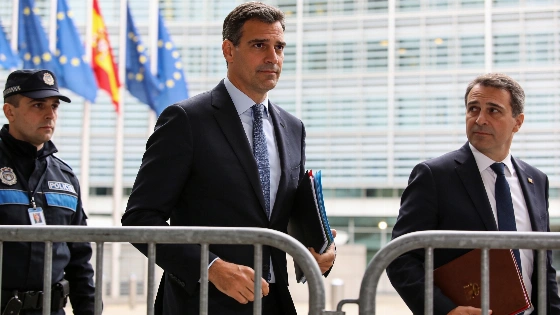
Pedro Sánchez will find himself at the center of two hot topics this week: the European Union's migration policy and new corruption investigations involving former and current PSOE figures. The Spanish Prime Minister is heading to Brussels for the EU Council, where he plans to speak out against the creation of deportation camps for migrants—a measure approved by most EU countries. Nevertheless, Spain has supported tougher rules for granting asylum and entry, marking the most significant change in EU migration legislation to date.
The domestic political situation remains tense for the government. This week, opposition leader Alberto Núñez Feijóo plans to increase pressure on Sánchez, demanding his resignation amid new court proceedings. Particular attention has been drawn to the case of former president José Luis Rodríguez Zapatero, who is expected to testify before the National Court regarding jewelry discovered in his office. This episode has led to new accusations against the PSOE and renewed debate over the transparency of former senior officials' income.
At the same time, the economic agenda remains in the spotlight. Finance Minister Arcadi España is working on the 2027 budget draft, while First Deputy Prime Minister and Minister of Economy Carlos Cuerpo is preparing an updated macroeconomic forecast. The authorities are promising record investments in housing, social services, science, and green energy to secure the support of both permanent and situational allies in parliament. However, even positive economic indicators do not ease the tensions within the PSOE.
In parliament, the migration issue will once again be up for discussion on June 24, when Sánchez will report on the results of the EU summit. Spain has agreed to most of the new restrictions, but categorically rejects the deportation of migrants to special camps. The government also intends to criticize regional agreements between the PP and Vox, which introduce the principle of 'national priority' and, according to Madrid, lead to discrimination.
Questions about the status of former presidents and their activities after leaving office are back in the spotlight. Chair of the Council of State Carmen Calvo has called for legislative regulation of the powers and responsibilities of former presidents to ensure transparency in their incomes and political participation. Against this backdrop, former Industry Minister Miguel Sebastián spoke about instances of receiving expensive gifts during foreign trips, highlighting the need for clear rules for all former officials.
The context of recent years shows that Spain is facing increasing pressure regarding migration and domestic transparency. As noted by russpain.com, similar debates over new regulations and the allocation of authority have previously led to conflicts between central and regional governments, for example, during the implementation of large-scale programs in education and infrastructure. In the coming weeks, attention will be focused on how the government handles this dual challenge—both at the European level and domestically.