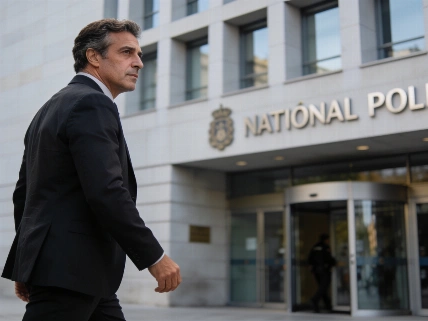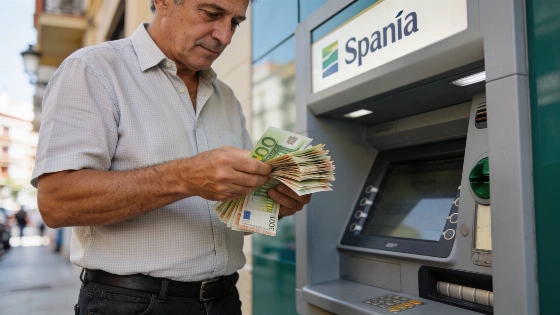
Spain’s tax agency is pressing banks to flag hefty ATM withdrawals and deposits. Any movement of one thousand euros or more now triggers client identification, while three thousand euros can prompt a deeper probe.
Walk up to an ATM in Spain and take out one thousand euros or more, and your bank steps into a different playbook. The Agencia Tributaria has zeroed in on cash flows that might hint at tax dodging or money laundering. Yet, Banco de España points out that not every withdrawal above this line gets reported by default. Banks weigh up other factors, including suspicions of illicit activity and anti-money laundering checks, before sending details to the tax office.
Digital payments may be everywhere, but cash still changes hands daily. The tax agency, though, treats big cash moves as a warning sign for fraud. Banks now face strict orders: any cash operation at or above one thousand euros—whether in or out—means full client identification and a report. Hit three thousand euros, and the system often kicks off a deeper Hacienda review. Banco de España, however, notes that official documents stop short of naming a universal threshold for automatic reporting. The fine print depends on the transaction’s nature and each bank’s own rules.
The only available official source from Banco de España does not contain explicit rules on cash withdrawal limits, identification, or tax reporting thresholds.
Forget the rumors about a legal cap on how much you can pull from your account. The law sets no ceiling. In practice, though, banks usually cap daily card withdrawals at around six hundred euros to guard against theft or loss. Customers can ask for higher limits, but only after talking directly with the bank. This extra step adds a layer of security and oversight. Official guidance confirms that daily ATM limits come from the bank or payment system, not from any law, and there’s no blanket six hundred euro rule.
Need to move a bigger sum? Anonymity goes out the window. CaixaBank tells clients to alert staff and get a receipt for large transactions. Five hundred euro notes or deposits above three thousand euros get flagged for the tax agency, since these moves look out of the ordinary and raise suspicions. Still, Banco de España’s public materials don’t guarantee that every such case triggers an automatic report. The details hinge on anti-money laundering laws and each bank’s internal process.
Banco de España has spelled out the basics: banks must hand over cash if the funds are there, but they might ask for advance notice on big withdrawals. Show your ID for any cash move of one thousand euros or more, whether you’re depositing or withdrawing. The aim is to close off loopholes for tax cheats and money launderers. Even so, the only official source available stops short of confirming these thresholds or automatic reporting in the current rulebook.
The available search results indicate that the official Banco de España page related to financial education for 2026 does not provide direct evidence of specific cash withdrawal reporting rules or identification thresholds. As a result, claims about mandatory reporting at one thousand or three thousand euros, or automatic notifications for five hundred euro notes, cannot be fully verified based on current public sources.
Carrying large amounts of cash in public comes with its own legal line. Spanish law sets the bar at one hundred thousand euros. Go above that, and law enforcement can step in. At home, there’s no legal limit on how much cash you keep, as long as you can prove where it came from if asked.
These changes mark a clear break from the days when big cash moves went unnoticed. The tax agency’s focus now lands on accountability. For anyone handling large sums, the rules are blunt: keep records, stay transparent, and be ready to explain the source or reason if questioned. Ignore these steps, and the next call could come from a tax investigator.