Spain's inflation rate climbed to 4.3% in August, the highest since February 2023. Fuel prices led the increase, pushing up household expenses for the second month in a row. The government is keeping tax relief measures in place as families feel the strain.
Spanish households are feeling the effects of the highest inflation in over a year, as the national rate jumped to 4.3% in August. The main driver was a sharp rise in fuel prices, which pushed inflation above 4% for the first time since early 2023. This marks the seventh month in a row that the cost of living has increased.
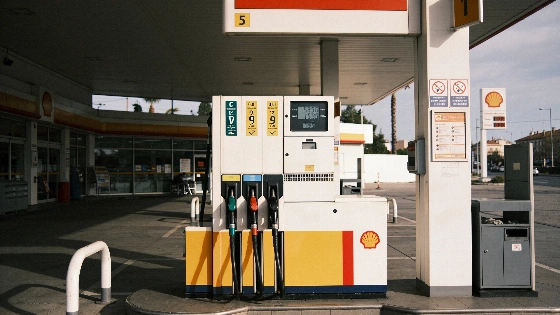
Data from the Instituto Nacional de Estadística (INE) show that the annual Índice de Precios de Consumo (IPC) increase is not a one-off. Fuel and vehicle energy costs rose 21.3% compared to last year, including a 10% jump in just one month. Transport now faces a 9.5% annual inflation rate, the highest in four years.
According to INE, Spain's harmonized inflation rate (HICP) reached 4.6% year-on-year in August 2026, making it one of the highest in the eurozone at that time.
August saw a 0.7% monthly price rise, the steepest for this month since 1992. The Ministry of Economy, Comercio y Empresa links the spike to ongoing energy shocks tied to the war in Iran and a base effect from last year’s drop in fuel prices. Energy bills are also climbing: liquid fuels rose 8.4% in a month, gas by 1%, and electricity by 0.7%.
Food inflation is less severe. The annual rate for food and non-alcoholic drinks edged up to 2.3%, mainly because fruit prices fell less than they did last August. The government says food price growth is under control, noting a 0.65% cumulative decline in the sector since the Middle East conflict began in February.
Core inflation, which excludes volatile energy and unprocessed food, eased slightly to 2.9% year-on-year. This is 1.4 points below the headline rate, showing that energy is now the main source of inflation in Spain.
Despite the sharp rise in consumer prices, the average wage increase under collective agreements in August was only 3.04%, meaning real incomes are falling behind inflation. This gap is putting additional pressure on Spanish households, as noted by several economic observers.
Spain’s inflation is not happening in isolation. The harmonized index (IPCA) rose to 4.6% annually, with a 0.7% monthly increase. From February 2022 to August 2026, Spain’s cumulative inflation reached 19.3%, just below the eurozone average of 19.6%. Other sectors, such as tourism, have also seen record price increases, as reported earlier.
To help with rising costs, the government is keeping its Plan de Respuesta in place. This includes a 20-cent per litre tax cut on diesel and a 5-cent reduction on petrol, both introduced from September under Real Decreto-ley 18/2026. Vice President and Economy Minister Carlos Cuerpo has repeated the government’s commitment to supporting families through these measures.
Spain’s inflation is now shaped by energy price swings and government efforts to soften the blow. While core prices are relatively steady, the steady rise in fuel and transport costs is eating into household budgets and testing the limits of official relief. The decision to extend tax breaks shows how serious the situation is and how few easy answers remain. Unless global energy prices fall, Spanish consumers will keep feeling the pressure, and the government’s options will narrow with each new price surge.