A confidential police report claims Moroccan security forces planned and led the July border crossing in Ceuta. This contradicts the Spanish government's narrative and raises new questions about border security.
The Spanish National Police have delivered a report to Judge María Tardón, asserting that Moroccan security agents not only planned but also directed the mass border crossing into Ceuta on July 30 and 31. This internal assessment directly challenges the Spanish government's official stance, which has consistently attributed the incident to human trafficking networks and external actors, distancing Morocco from any operational involvement.
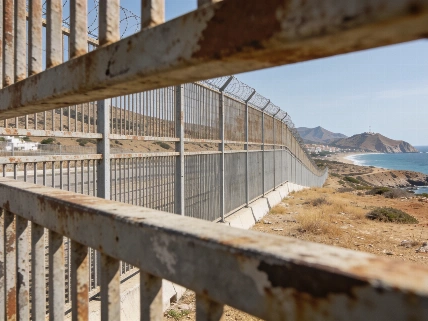
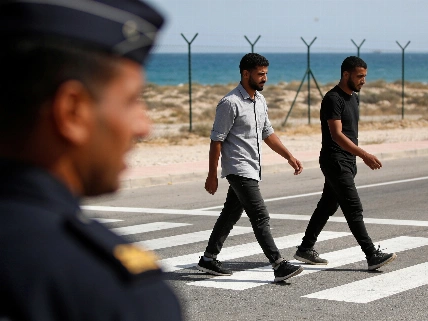
According to the police intelligence unit CENIF (Centro Nacional de Inmigración y Fronteras), the crossing of approximately 80,000 people from Morocco into Spanish territory was a coordinated operation. The report, now in the hands of the prosecutor's office, details how Moroccan uniformed and plainclothes officers allegedly guided groups from the border town of Castillejos (Fnideq) to the Spanish fence, and even provided instructions to facilitate the breach. The document includes photographic evidence of Moroccan agents among the crowd and claims that the supposed migration motive was merely a cover for a broader operation.
The findings suggest the event was designed to overwhelm Spanish border controls and undermine the country's response capacity. The report also links the operation to Morocco's ongoing territorial claims over Ceuta and Melilla, indicating a strategic intent beyond migration. Notably, the CENIF unit had issued a risk alert on July 29, warning of a possible mass entry by sea the following day. The police further argue that the rapid return of most border crossers to Morocco within hours undermines the narrative of a genuine migration attempt.
Internal tensions have reportedly surfaced within the Spanish police hierarchy over the handling of the report. Judge Tardón is said to have requested the assessment directly from the Comisaría General de Extranjería, bypassing the Director General of Police. The CENIF analysis dismisses the idea that criminal mafias orchestrated the event, instead framing it as a classic counterintelligence operation aimed at discrediting Spain's intelligence services, particularly the Centro Nacional de Inteligencia.
The report describes a two-phase strategy: first, young men equipped for swimming crossed to exhaust Spanish resources, followed by vulnerable families to further strain the response. The police maintain that Moroccan agents on the ground managed the flow and provided logistical support throughout the operation.
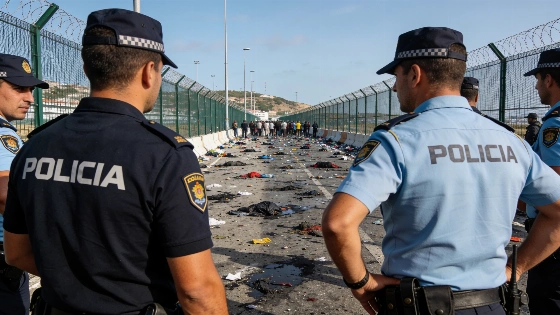
This revelation comes amid ongoing debate about border management and Spain's relationship with Morocco. The Ceuta incident has already sparked protests and calls for government accountability, as seen when local residents demanded expulsions and stricter controls in the aftermath of the crisis. For further context on the public reaction and local tensions, see the coverage of Ceuta residents' demands for migrant expulsions.
Ceuta and Melilla, Spain's two North African enclaves, have long been flashpoints in migration and diplomatic disputes. The July events have intensified scrutiny of bilateral cooperation and the effectiveness of Spain's border security apparatus. While the government maintains its position, the police report introduces new complexities into an already sensitive issue, with potential implications for future policy and regional stability.