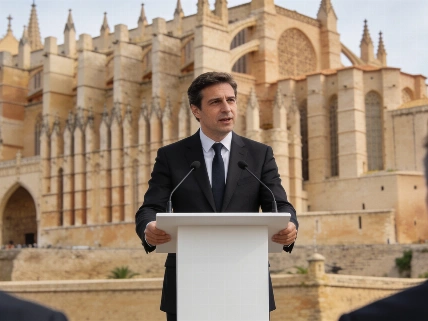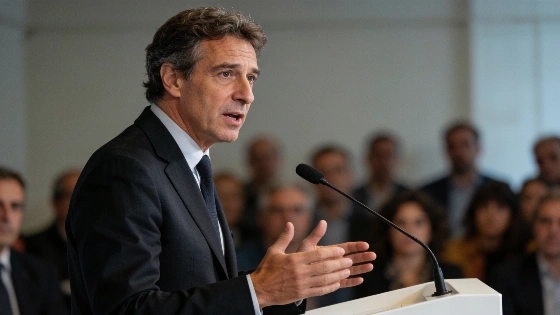
On 27 October, PP leader and candidate for prime minister Alberto Núñez Feijóo proposed tougher penalties for public-order offences and vandalism involving masked offenders, as well as for unrest organised through social media. The pledge followed disturbances in A Coruña and Barcelona, then unrest in Bilbao, including weekend looting in Barcelona. Feijóo said a future PP government would restore an aggravating circumstance for offences committed with the face covered, which he said had been removed from Spain’s Penal Code in 2022 through an agreement between the PSOE and Unidas Podemos.
The Bilbao unrest came after a planned visit by agitator Vito Quiles was disrupted. The previous week, there had also been disturbances in Avilés and A Coruña after separate events featuring Vox leader Santiago Abascal. El Correo reported that 19 people, including seven minors, were detained in connection with the Bilbao disturbances.
The PP is making public order a campaign priority. Its secretary-general, Miguel Tellado, visited the Bilbao district of Deusto on 27 October and posed beside vehicles burned during the previous night’s vandalism. He blamed far-left groups and criminals, and accused the Government of failing to act. Feijóo was due back in Barcelona on 28 October to meet traders affected by the disturbances.
Feijóo’s proposed criminal-law changes would restore an aggravating circumstance, raising penalties when offenders cover their faces during public-order offences and vandalism. The proposal rests on the idea that concealing the face can hinder police identification. He also said penalties would rise when violent disturbances are organised through social media. The proposal concerns increased penalties for such acts, not making online mobilisation alone an offence. It is a political commitment for a future PP government, not an enacted change to the law.
The campaign has shifted before. The PP had focused on the migration crisis in Ceuta and PSOE corruption scandals, while Sánchez highlighted peaceful protests over housing and public services. Disputes over pensions and Javier Milei’s visit to Madrid then gave the Socialists an opening to attack what they describe as cuts. The PP’s campaign preparations also involve its parliamentary slate: an earlier report noted that three Madrid mayors ranked among the top 18 on its Congress list.
The Government says the disturbances were brought under control and accuses the PP and Vox of exploiting them for electoral advantage. Government spokesperson Elma Saiz condemned violence and urged politicians to let the Mossos and Ertzaintza establish responsibility. She also rejected comparisons between violent incidents and legitimate protests over housing or public education.
The dispute carries an immediate political consequence: Sánchez’s government wants the general strike called by unions for 11 November to proceed peacefully, while warning that security forces will intervene if violence occurs.