A new Nature study found that eating sugar while taking antibiotics speeds the loss of gut bacteria diversity in cancer patients. That loss is linked to higher death rates after bone marrow transplants, raising questions about hospital food for patients on antibiotics.
The study followed 173 people with blood cancers treated at several US hospitals, including Memorial Sloan Kettering Cancer Center and New York University. All received at least one antibiotic, and four out of five received broad-spectrum drugs that kill both beneficial and harmful bacteria. The researchers profiled stool samples from 158 patients and tested more than a thousand samples. City of Hope and American Heart Association News also reported the findings. The study is among the largest and most detailed examinations of how diet and antibiotics together affect the gut microbiome in cancer patients.
Researchers tracked 9,419 meals. Patients who ate more sugary foods while taking antibiotics lost more gut bacteria. Marcel van den Brink, co-author and chief medical officer at City of Hope, explained: "Patients who consumed more sweets while taking antibiotics were more likely to experience a loss of microbiome diversity, as aggressive microbes displaced and dominated other bacterial strains."
The risk was highest among those eating the most sugar, and each extra day on antibiotics raised it. Eating 100 grams more sweet foods, about a large milkshake, two days before a stool test led to a 24% bigger drop in gut bacteria diversity than antibiotics alone. New Scientist reported that the effect appeared across the whole group and that the data was statistically solid.
One bacterium, Enterococcus faecium, took over as other bacteria vanished. Its overgrowth led to more bloodstream infections and graft-versus-host disease, along with other serious problems in transplant patients. Animal tests supported these findings. Healthy mice on antibiotics saw a small rise in enterococci, but when sugar was added, the bacteria multiplied up to 33 times in six days. Sugars and fruit purees had the same effect, including glucose and fructose, but only after antibiotics had wiped out the competition.
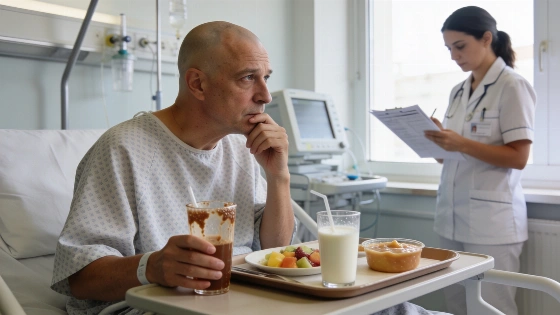
These results put hospital nutrition under scrutiny. Many patients are told to drink shakes and smoothies, while sports drinks are also commonly recommended; all are often packed with sugar. Van den Brink warns that this well-meaning advice may make things worse for the gut.
Dr. Ildefonso Espigado, a hematologist at Hospital Universitario Virgen Macarena in Seville who was not part of the study, expects the findings to change what cancer patients are told to eat. He points out that diet is something patients can control. Older "low-germ" diets based on boiled foods never had strong evidence behind them; the focus may now shift to cutting sugar during antibiotic treatment.
The study’s authors say the findings may extend beyond cancer. Antibiotics create gaps in the gut for anyone, and sugar feeds the wrong bacteria. The same effect occurred in healthy mice, suggesting that cutting sugar during antibiotic treatment could help protect the gut microbiome in healthy people too.
Gut health matters in cancer care, and this research draws attention to a potential blind spot in hospital routines. Limiting sugar when antibiotics are prescribed could help protect patients. What people eat during treatment may affect more than comfort; it may also affect survival.