
Medicine
680 newsThe focus is on real consequences, from official rules and city services to costs, safety, rights and daily routines.

EMA Recommends Rasonque for Metastatic Pancreatic Cancer
Trial data showed longer overall survival and progression-free survival. EU authorisation still depends on a decision by the European Commission.
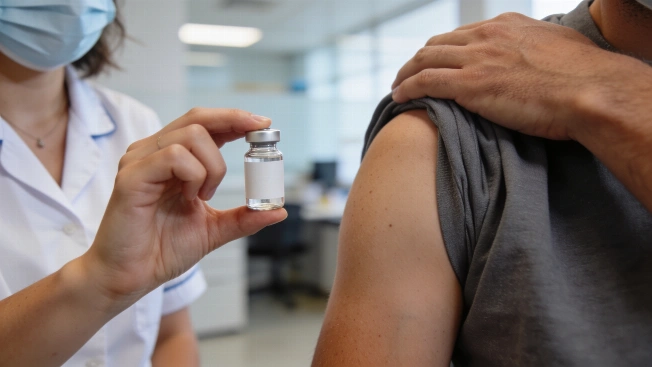
Researchers trace severe COVID’s damage inside the lungs
Lung samples from 19 people who died of COVID-19 reveal the loss of oxygen-exchanging tissue and a rise in scar-forming cells. Researchers say existing antifibrotic medicines need preclinical testing before they can be considered as treatments.
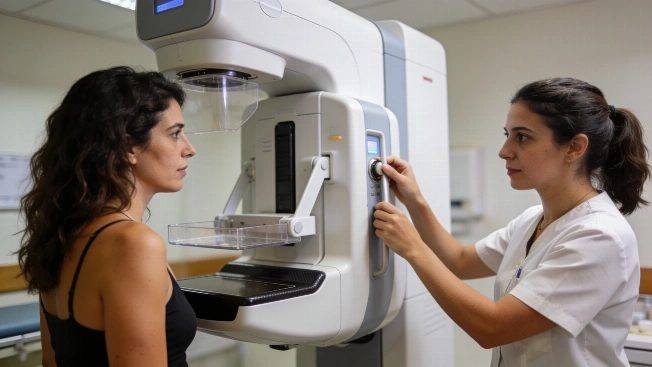
AI ranks breast cancer risk from a single mammogram
A deep-learning tool assessed 27,172 normal mammograms and ranked women by their five-year breast cancer risk. In preliminary results, the highest-risk 10% accounted for about 30% of cancers diagnosed during that period.
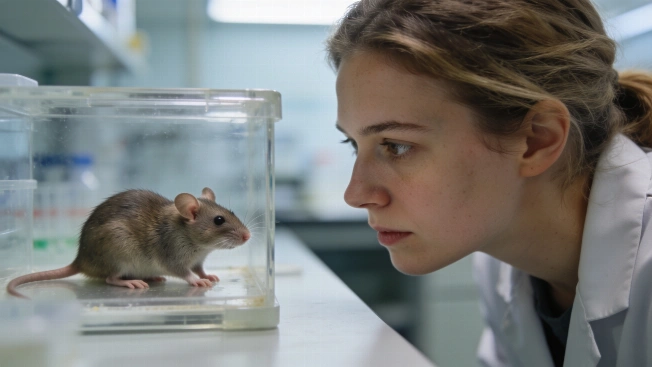
Cabergoline tied to lower breast cancer risk after childbirth
Records from more than 150,000 women in Spain and Norway linked cabergoline use after childbirth to about 70% lower breast cancer risk. Clinical trials must test whether the association holds.
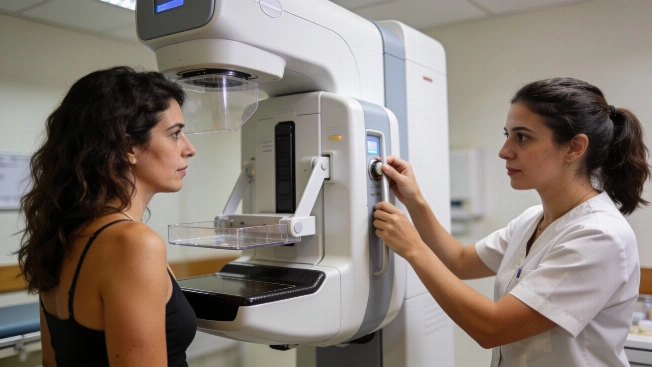
AI flags mammograms linked to higher five-year cancer risk
Across six centres, an AI model ranked the top 10% of women by risk; that group accounted for about 30% of cancers found within five years in preliminary results.
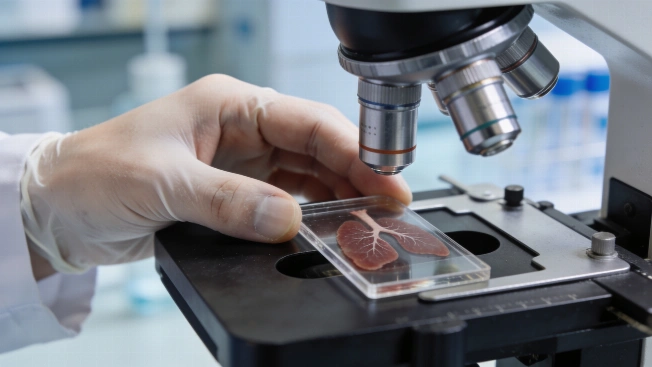
Lung map tracks severe COVID-19 damage
Researchers mapped 91,068 lung-tissue regions from 19 people who died with severe COVID-19. The analysis found stronger fibrosis-linked signals during a stage when alveolar repair was still underway.
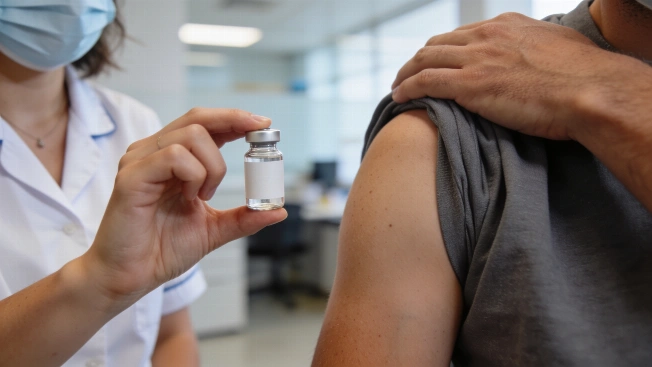
Experts warn vaccine falsehoods could revive controlled diseases
At a congress in Vigo, experts warned that misinformation could revive diseases Spain had brought under control. They pointed to clear, credible information as a way to address public doubts.
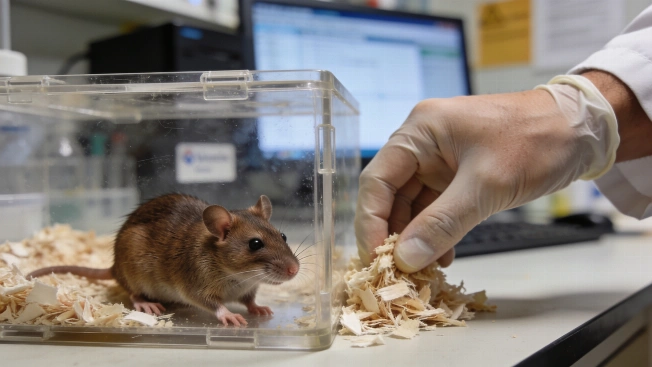
LEAP2 may bring puberty forward in girls with obesity
Girls with obesity had higher blood levels of LEAP2. In rats, injections into the brain brought puberty forward and sped ovarian development.
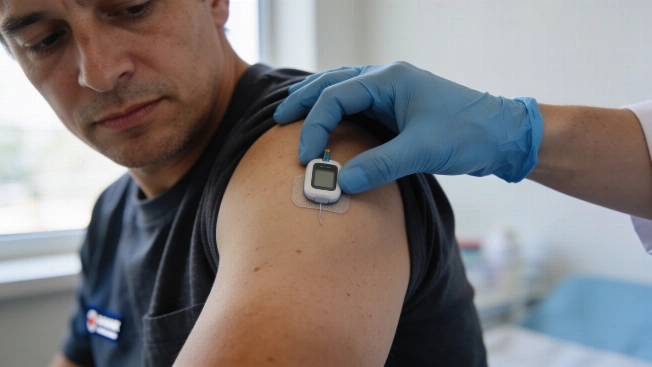
Spanish hospitals begin early type 1 diabetes screening
Hospitals in Spain are beginning to screen first-degree relatives before type 1 diabetes symptoms appear. Whether the approach will become routine across the National Health System remains unresolved.
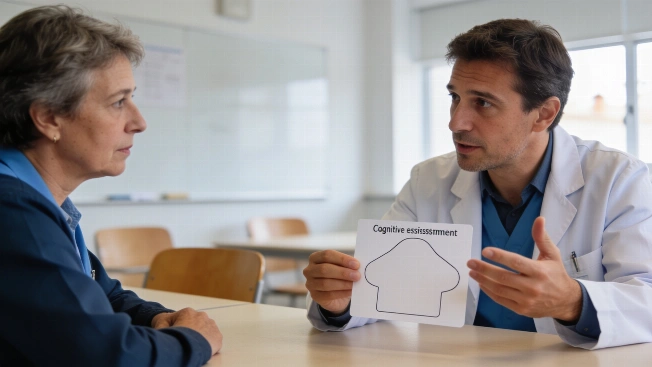
Valencia sets dementia course for neurology residents
Residents are due to gather in Valencia on 11 and 12 December for a SEN course on neurodegenerative dementias. The programme includes clinical cases across both days.

Johnson & Johnson faces a deepening fight over trust
Gardiner Harris accuses Johnson & Johnson of lethal marketing and corruption. His book links major products to millions of deaths and a Spanish health scandal, while available sources do not independently confirm the estimate of two million deaths.

Spain’s Thyroid Cancer Care Must Measure Life After Treatment
About 90% of patients in Spain survive thyroid cancer. AECAT says care must also track lasting symptoms and the ability to return to ordinary life.
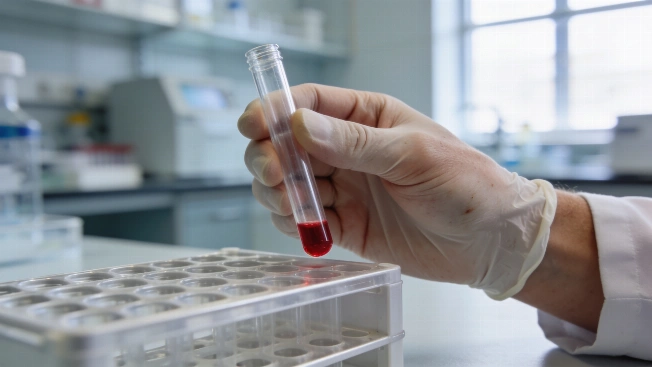
Silent receptor weakens tumour defence in mouse and human cells
A Nature study found that gamma-delta T cells lose tumour-fighting strength when their receptor stops working after maturation. The result points to a condition future immunotherapy research will need to preserve.
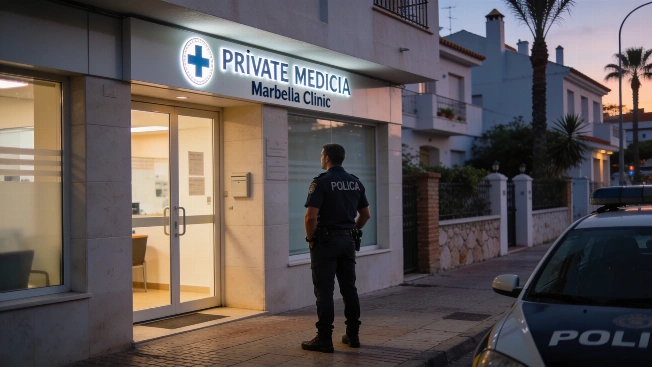
Police detain 18-year-old in Marbella surgeon killing
Spanish police detained an 18-year-old suspect after Alexander Aslani was shot inside his Marbella clinic. Investigators have not disclosed the motive or the alleged role of a possible accomplice.
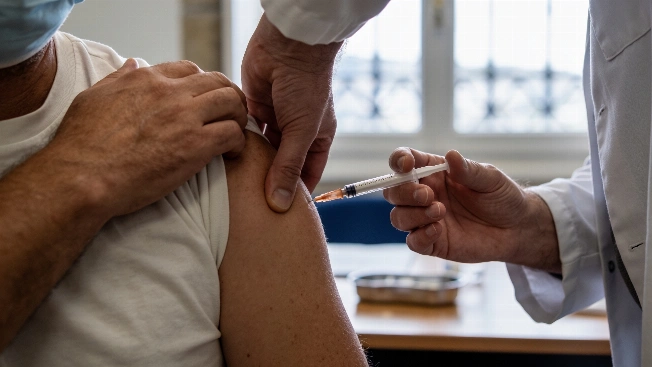
Vaccination takes a bigger role in heart protection
Flu can raise heart attack risk tenfold in vulnerable patients. SEMERGEN specialists want vaccination folded into cardiovascular care, where infection prevention can reduce severe complications.
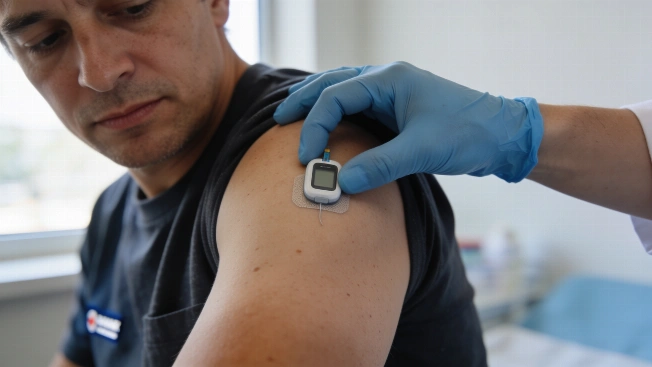
Spain reportedly expands CGM for basal-insulin diabetes care
A reported Spanish consensus would make continuous glucose monitoring routine for some type 2 diabetes patients using basal insulin. International guidance supports considering CGM for insulin-treated patients, but the Spanish figures still need the source document.
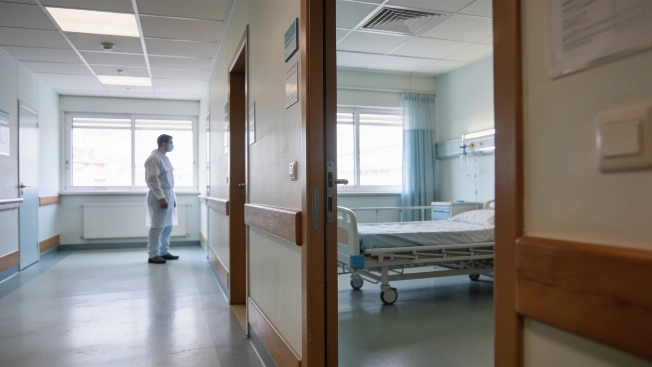
Hospital transmission precedes Euskadi's first recorded Mpox death
A 61-year-old man died after contracting Mpox at Hospital Donostia in San Sebastián. Doctors have not confirmed that the infection caused his death because he had extremely serious underlying illnesses.

Europe narrows the cancer drug access gap, but Spain still faces delays
Austria and Switzerland led Europe in the use of newer cancer medicines in 2023, while Spain stayed in the middle. Approval and funding still do not guarantee that patients receive treatment quickly.

Urban birds could flag West Nile virus earlier in Spain
A CSIC study found more antibodies in urban birds during years with human West Nile outbreaks. Blackbirds and sparrows could help show where the virus is circulating in Spain.
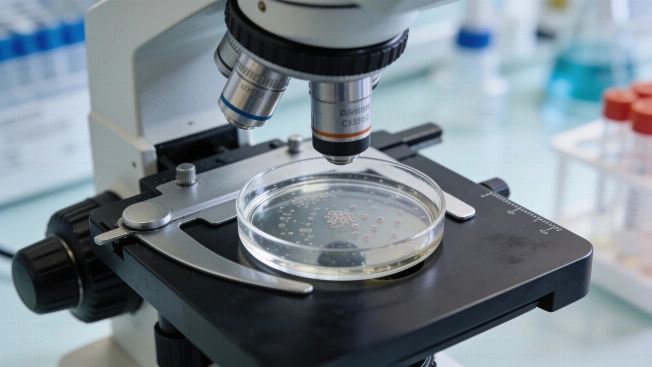
Silent receptor leaves tumour-fighting immune cells weaker
Researchers found that gamma-delta T cells lose much of their tumour-fighting strength when a key receptor falls silent after the cells mature. The result held across mouse models and laboratory tests with human cells.

Spain's doctors put indefinite strike on hold after election call
Spain's doctors have postponed the indefinite stoppage planned for 28 October after the call for general elections. The protest remains active and could return if the next government rejects their demands.
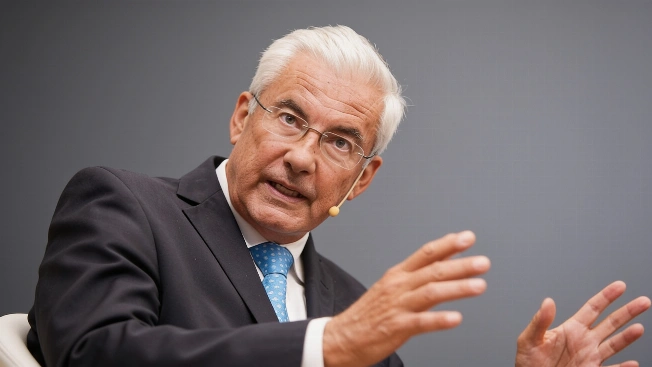
Spanish health expert demands patient-first overhaul in public healthcare
Jaime Rodríguez-Arana, professor of administrative law, says Spain’s healthcare system needs to put people before paperwork. He warns that bureaucracy and old habits are holding back patient care, and urges open data and real quality checks.

Young endocrinologists sharpen care for chronic hypoparathyroidism
More than 40 young specialists met in Madrid for Emerging Experts. The programme focused on chronic hypoparathyroidism and the decisions that go beyond calcium control.
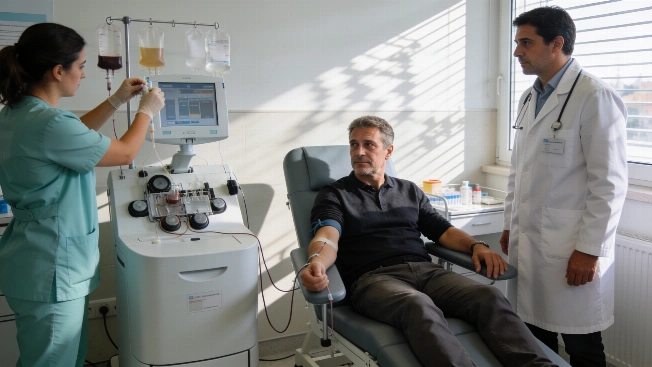
Spanish doctors triple survival for multiple myeloma patients
Spanish patients with multiple myeloma now live three times longer than before, thanks to a wave of medical innovation and close cooperation between researchers and the pharmaceutical industry. Some even achieve functional remission.
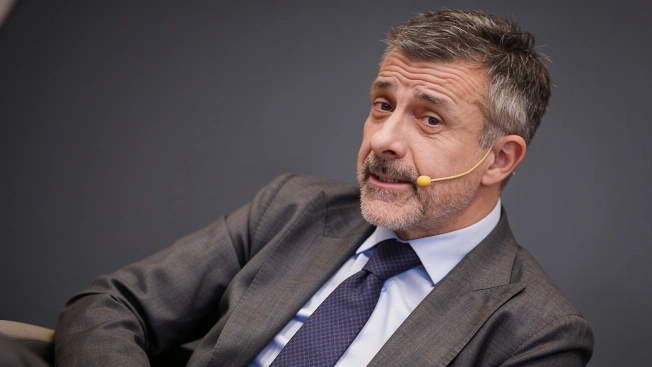
Philips brings AI diagnostics to Spanish hospitals
Philips is rolling out AI-powered diagnostic tools across Spain, pushing hospitals to rethink how they deliver care. Miguel de Foronda says only real, scalable innovation can keep up with growing patient needs.
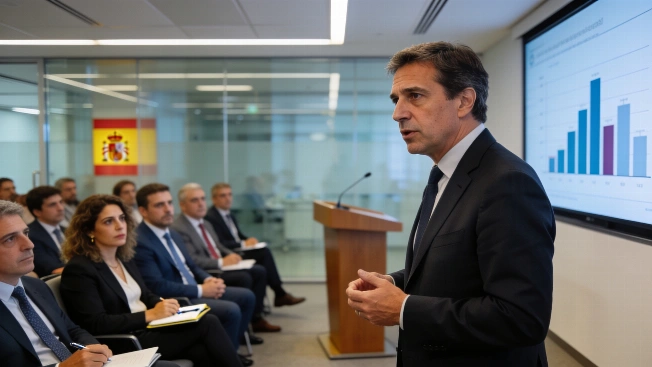
AbbVie: Spain risks falling behind in global pharma innovation
AbbVie's top executive in Spain warns that the country could lose its place in global medical innovation unless it ramps up investment and reforms. He calls for bold moves to keep Spain competitive as Europe trails the US and China.

Madrid specialists turn to chronic hypoparathyroidism
Nearly 50 young endocrinology specialists met in Madrid for the first Emerging Experts programme. The training focused on chronic hypoparathyroidism, a rare disease estimated to affect around 13,000 people in Spain.
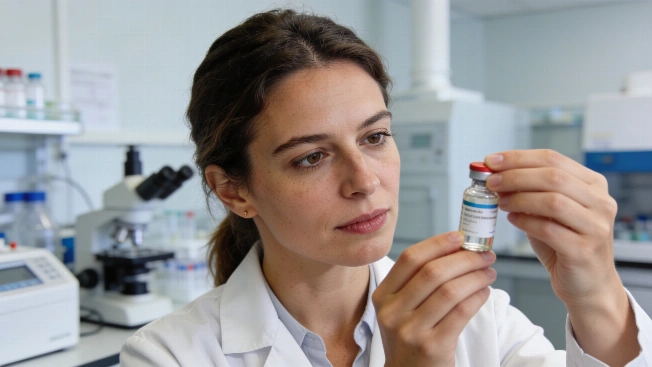
PharmaMar faces hurdles bringing Zepzelca to European patients
Zepzelca, PharmaMar’s treatment for small cell lung cancer, remains out of reach for European patients as regulatory and reimbursement processes drag on. Despite proven benefits and US approval, the drug’s future in Spain depends on government action and industry support.

Spanish generic medicines face crisis as price rules threaten supply
Spain’s generic drug sector is sounding the alarm over government price controls that, according to industry leaders, are pushing prices to unsustainable lows and risking the country’s ability to guarantee vital medicines.
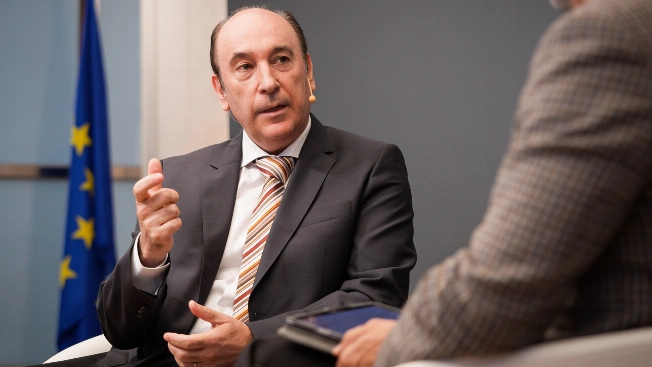
Incyte Biosciences Iberia demands faster access to new medicines
Incyte Biosciences Iberia has invested €130 million in Spanish R&D and clinical trials, but patients still wait too long for new treatments. Company leaders want clearer deals and quicker approvals to match Spain’s scientific strength.

Spanish pharmacies face foreign takeover threat
Spain’s unique pharmacy system is under fire as foreign groups and regulatory changes threaten the independence of local pharmacists. Industry leaders warn that the country’s healthcare access and rural cohesion could be at risk if the current model is undermined.
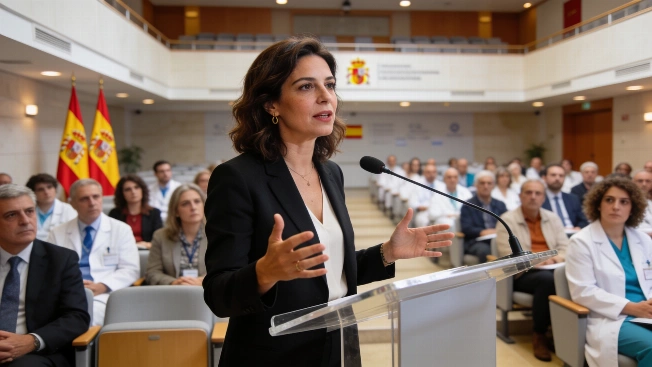
PP puts healthcare reform at the center of its election push
Healthcare is now the main battleground for the Partido Popular as elections near. Carmen Fúnez pledges a major overhaul of Spain's health system, with a focus on unity, support for professionals, and stable funding.

Spain pushes for strategic autonomy in medicine production
Spain’s pharmaceutical leaders are urging a shift toward strategic autonomy in medicine manufacturing. At a key Madrid symposium, industry voices outlined how innovation, public policy, and cross-border alliances could protect Europe from future supply shocks.

Doctors postpone indefinite strike after election call
Spain's doctors have delayed their indefinite stoppage from 28 October after an early general election was called for 29 November 2026. The strike remains active and could return if the next Government does not answer demands for a separate medical statute.
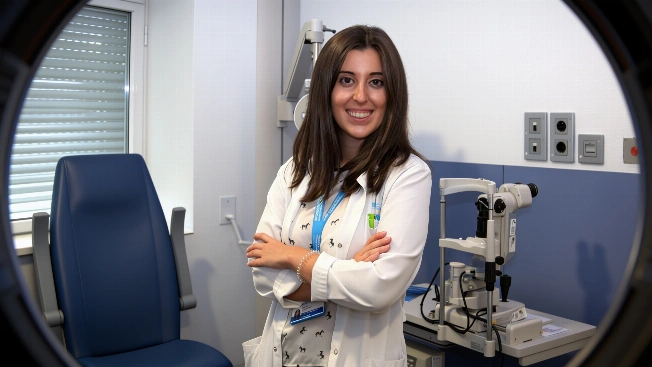
Bárbara Burgos Blasco named top young ophthalmologist in Spain
At just 33, Bárbara Burgos Blasco has been recognized as Spain’s leading young ophthalmologist. The Arruga 2026 award highlights her achievements in research, teaching, and clinical care at Hospital Clínico San Carlos.
Page 1 by 20