Flu can raise heart attack risk tenfold in vulnerable patients. SEMERGEN specialists want vaccination folded into cardiovascular care, where infection prevention can reduce severe complications.
At the opening of the 48th National Congress of SEMERGEN in Santiago de Compostela, doctors put a specific risk on the table. Flu can multiply the risk of a heart attack by ten in patients already vulnerable to cardiovascular disease. The risk of a cerebrovascular event can rise eightfold.
That threat reaches beyond infection itself. Respiratory infections can trigger systemic inflammation, destabilise atherosclerotic plaques and create a prothrombotic state. The resulting strain may cause myocardial infarction. It may also trigger stroke or decompensated heart failure.
For patients with established cardiovascular disease, an infection can become a vascular event. Chronic heart, lung and kidney disease raise the risk of severe respiratory infection. Diabetes, immunodeficiency and cancer do the same.
A meta-analysis of randomised studies involving 6,735 patients at high cardiovascular risk found cardiovascular events in 2.9% of vaccinated patients versus 4.7% in the control group, corresponding to a relative risk of 0.64.
Vivencio Barrios, a cardiologist at Hospital Universitario Ramón y Cajal and a member of the SEMERGEN Cardiovascular Diseases Working Group, presented the figures. Pneumococcal pneumonia was linked to a 7% higher risk of a new heart attack. It also brought an increase of almost 6% in arrhythmias. Respiratory Syncytial Virus multiplied complications in patients with heart failure by eight.
Influenza has the strongest evidence for reducing cardiovascular events through vaccination. Barrios pointed to the IAMI clinical trial, published in 2021, as a turning point in the field. After that evidence, the European Society of Cardiology began treating vaccination as the fourth pillar of cardiovascular prevention, alongside established drug-based approaches.
The meta-analysis of randomised studies found a relative risk of 0.64 for the combined cardiovascular outcome among vaccinated high-risk patients. The association was strongest in patients with a recently experienced acute coronary syndrome, where the relative risk was 0.45.
The evidence is less direct for vaccines against pneumococcal disease, COVID-19, Respiratory Syncytial Virus and Herpes Zóster. That does not remove their place in cardiovascular care. Preventing infection can reduce decompensations and hospital admissions among older adults and people with chronic disease.
Researchers also stressed that larger multicentre studies are needed to establish the effect on separate outcomes. Those outcomes include myocardial infarction and stroke. Cardiovascular mortality also requires further study.
Under current US recommendations, RSV vaccination is recommended as a single dose for adults aged 75 and older. For adults aged 50 to 74, the decision depends on the presence of an increased risk of severe disease, including chronic cardiovascular conditions.
Esther Redondo, a specialist in Family and Community Medicine and member of the IMVAP Working Group at SEMERGEN, said vaccination for chronic patients should be integrated into treatment. It should not be handled as an occasional separate act.
Redondo also rejected the idea that immunisation places an excessive burden on patients with heart failure. In her assessment, the natural infection creates the greater immune stress.
The discussion turned to immunosenescence, the physiological ageing of the immune system. This process affects antigen detection and presentation. It also affects the activation of T and B lymphocytes.
In people with cardiorespiratory disease, immunosenescence can combine with baseline chronic inflammation and weaken the response to conventional vaccines.
Newer products are being designed to produce immune responses that arrive sooner and last longer. María Fernández de Prada, a specialist in Preventive Medicine and Public Health at Hospital Álvarez Buylla de Mieres, said modern vaccinology is moving away from one approach for everyone.
Adjuvants can improve the speed, strength and duration of the immune response. They are not interchangeable.
Asturias was cited at the congress as a pioneer in financing the vaccine against Respiratory Syncytial Virus for all people over 18 with advanced chronic conditions, including chronic heart disease. The policy targets clinical vulnerability rather than relying only on age.
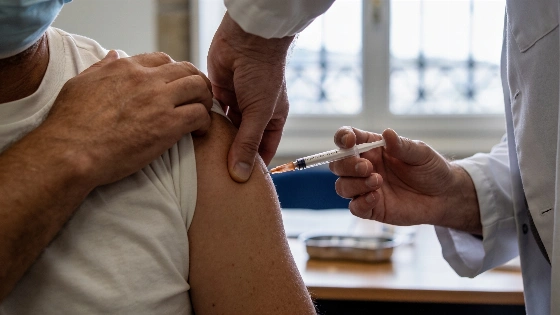
Primary Care will carry much of the practical responsibility. Family doctors can review vaccination records during regular follow-up, identify missed doses and use routine appointments to administer recommended vaccines.
The experts also called for shared circuits between Primary Care, Cardiology and Public Health.
Vaccination status must be reviewed, recommended and recorded. Coadministration was described at the congress as safe and effective. It was also described as cost-effective.
The 48th National Congress of SEMERGEN placed a concrete demand on the healthcare system: cardiovascular prevention must cover immunisation alongside prescriptions and lifestyle advice. Vaccination should complement, not replace, blood-pressure, lipid and diabetes control. It should also complement smoking cessation and other established preventive measures.