More than 40 young specialists met in Madrid for Emerging Experts. The programme focused on chronic hypoparathyroidism and the decisions that go beyond calcium control.
On 2 and 3 October, more than 40 young endocrinologists met in Madrid for the first Emerging Experts session. The training focused on chronic hypoparathyroidism, a condition that demands more than regular calcium checks.
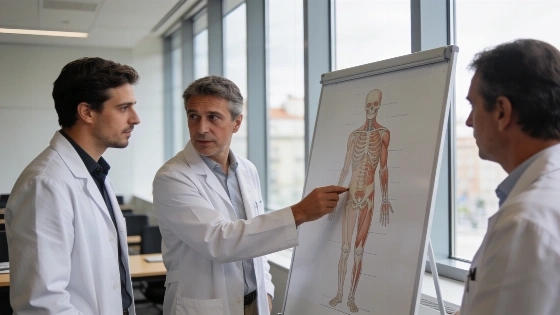
Ascendis Pharma Iberia launched the initiative in Spain for residents and young consultants in Endocrinology and Nutrition. Scientific sessions were paired with clinical case discussions and practice in skills used in daily care. Participants could test specialist knowledge against the decisions that arise in difficult or unusual cases.
An independent Spanish-language report estimates that around 13,000 people in Spain may live with chronic hypoparathyroidism. The figure is indicative: the report does not specify the calculation method or an underlying official statistical source.
Adrián Chaves, an endocrinology resident at Hospital Valdecilla in Santander, saw direct value in that format. He said specialist-led training can deepen knowledge, allow doctors to compare clinical experience and help them prepare for complex cases in routine practice.
Chronic hypoparathyroidism cannot be judged by one laboratory result. Alfonso Soto, a specialist in Endocrinology and Nutrition at Hospital Universitario de A Coruña, said younger doctors need to understand how the disease can affect several organs and a patient's quality of life.
A lack of parathyroid hormone disrupts the balance of calcium and phosphate. The effects can reach the bones, kidneys and intestine. Reported problems also include neuromuscular irritability, renal complications, extra-skeletal calcifications and cognitive symptoms. Soto said focused training supports closer follow-up and can help prevent complications.
The clinical message is direct: doctors need to look beyond calcium levels. Materials from Ascendis Pharma and a Quifinanza review describe both severe episodes of hypocalcaemia, which may be life-threatening, and longer-term complications involving the kidneys, nervous system and tissues where calcium deposits can form.
An independent Italian review estimates that at least 10,000–12,000 people are affected there, with most cases linked to thyroid surgery. Around 80% of patients are women, and the reported burden includes reduced physical functioning, brain fog, anxiety and depression; about one in three patients is estimated to be unable to work.
Emerging Experts is also building a professional network around the condition. Experienced specialists share their knowledge with doctors at the start of their careers, while younger endocrinologists bring new questions and views to the discussion. Elena López Mezquita of Hospital Universitario San Cecilio de Granada said that exchange is particularly useful.
López Mezquita also connected training with access to care. In her view, knowledge of chronic hypoparathyroidism should not remain concentrated in a small group of centres or specialists. Wider access to that knowledge could help patients receive appropriate care wherever they are treated.
The Spanish-language report and the Quifinanza review both describe follow-up that covers kidney function, cognitive and psychological symptoms, and quality of life alongside laboratory calcium.
The initiative sits within a wider medical field where specialist education and research often meet. An earlier medical report examined Spanish work on manganese nanodots for MRI contrast. The subjects are different, but both involve focused scientific knowledge moving into clinical practice.
Sérgio Alves, interim general manager for Iberia at Ascendis Pharma, said the programme gives future endocrinologists a dedicated place to learn and exchange ideas. Jorge González, a specialist at Complejo Hospitalario Universitario de Badajoz and a member of the Grupo de Metabolismo Mineral y Óseo of the Sociedad Española de Endocrinología y Nutrición, or SEEN, also linked this kind of education to diagnosis, follow-up and treatment.
The Madrid sessions gave residents and young consultants case-based training with experienced clinicians. They also addressed complications that can be missed when care focuses only on calcium control. That broader approach can support more consistent, individualised treatment of chronic hypoparathyroidism across Spain.