Hospitals in Spain are beginning to screen first-degree relatives before type 1 diabetes symptoms appear. Whether the approach will become routine across the National Health System remains unresolved.
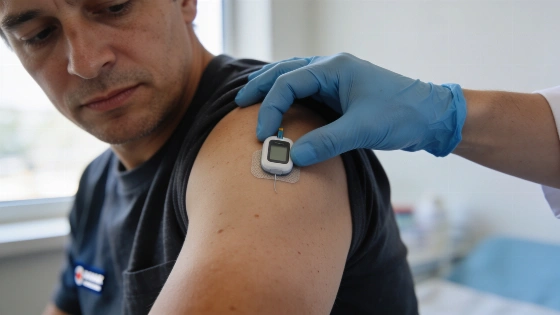
Blood tests for autoantibodies can detect type 1 diabetes before symptoms appear. Specialists describe the disease as a four-stage process. As it develops, beta cells in the pancreas are progressively destroyed.
Identifying the condition early can help avert emergency diagnoses and give families time to prepare.
Figures presented at a specialists’ meeting put the number of people with type 1 diabetes in Spain at an estimated 100,000 to 200,000. Infosalus reported that diabetic ketoacidosis is the initial presentation in more than one-third of children diagnosed in the country. Early detection and follow-up are intended to give families time to learn about the disease before it reaches clinical onset.
First-degree relatives are the clearest group for targeted screening because their risk is higher than that of people without a family history. A pilot programme at Madrid’s La Paz University Hospital has been running for about a year, according to Noemí González, the hospital’s deputy medical director and head of diabetes. Luis Castaño, a paediatric endocrinologist at Cruces University Hospital in Bilbao, has also highlighted that type 1 diabetes can be detected before symptoms appear.
Turning hospital experience into routine care across the Sistema Nacional de Salud remains an open question. Specialists have linked the development of screening programmes to scientific consensus and the recently published Proceso Asistencial Integrado, or PAI, an integrated care pathway. A sustainable model would need to coordinate referrals and confirmation, then set out how patients are followed up. Specialists also need to consider how to reach people with no known affected relatives.
Those implementation questions were at the centre of «A tempo: Conversaciones de dos a tres», a meeting organised by Levin with support from Sanofi. Servimedia reported that Belén Gómez del Pino, a journalist who specialises in medical information, moderated the discussion on bringing early detection into clinical practice and coordinating care sustainably.
González has described targeted programmes for people at increased risk as a way to lay the foundations for earlier detection. Giving families time to learn about the condition and prepare could change how they experience diagnosis, rather than meeting it for the first time in an emergency.
Recent coverage of arrests near Madrid's Sol concerned a separate public-affairs issue. The diabetes meeting focused on how hospitals and the national health system can handle early detection.