Girls with obesity had higher blood levels of LEAP2. In rats, injections into the brain brought puberty forward and sped ovarian development.
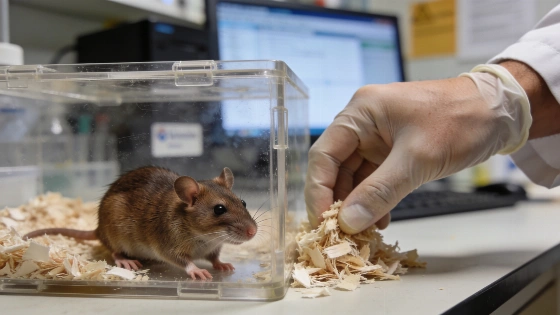
The rat tests began with LEAP2 injected directly into the brains of normal-weight animals. Puberty began earlier and ovarian development accelerated. Ovulation also occurred sooner, adding evidence that the hormone can affect reproductive maturation.
Human samples point to a link with obesity. Girls under eight with obesity had significantly higher blood concentrations of LEAP2 and lower levels of ghrelin than the comparison groups. That LEAP2 increase did not appear in normal-weight girls with central idiopathic precocious puberty. The finding suggests the hormone may be associated specifically with obesity-linked early development. Childhood obesity is already studied in relation to earlier pubertal timing. This study examined whether LEAP2 connects energy balance with reproductive development.
The samples came from three groups treated at the Paediatric Endocrinology Unit of Madrid’s Fundación Jiménez Díaz University Hospital. One group comprised girls with obesity. Another included normal-weight girls with central idiopathic precocious puberty. The third consisted of healthy girls with normal weight. The researchers combined this clinical analysis with rat experiments. Their study was published in Metabolism: Clinical and Experimental.
LEAP2 is produced mainly in the liver. Its levels rise when energy is abundant, including in obesity, and the hormone blocks ghrelin’s action at the GHSR receptor. Ghrelin is produced mainly in the stomach and rises when nutrients are scarce. It helps slow reproductive maturation, conserving available energy for essential functions. The researchers tested whether LEAP2 could help explain the earlier puberty associated with obesity.
That question sits within wider research into childhood health risks. Spanish hospitals have also started early diabetes screening for close relatives of people with type 1 diabetes. That separate effort aims to detect risk before symptoms appear.
In a model of early-life obesity, LEAP2 levels remained elevated during puberty, matching the pattern found in girls with obesity. Giving LEAP2 to normal-weight rats reproduced the earlier onset seen in the model.
The hormone also partly countered the pubertal delay caused by a 20% calorie restriction. Treated rats were more likely to begin puberty, and their ovaries matured faster despite reduced energy availability. The researchers point to Kiss1 neurons in the hypothalamus as possible mediators. These cells help activate the hormonal system that regulates reproduction.
Earlier puberty has been associated with higher adult risks of cardiovascular disease and type 2 diabetes. Researchers also cite metabolic syndrome and some hormone-dependent cancers. The study raises the possibility that the LEAP2-ghrelin system could become a target for future treatment research related to nutrition. Potential applications include obesity-linked early puberty. The authors also identify delayed maturation or fertility problems associated with severe malnutrition or anorexia nervosa as possible areas for study.
Prader-Willi syndrome is another research direction identified by the authors. The rare condition involves uncontrolled ghrelin production and morbid obesity. It can also alter pubertal development. Clinical use would require further research.
The international study involved a group researching hormonal regulation of energy balance and reproduction, including puberty. Manuel Tena-Sempere directed the group. Juan Roa, an IMIBIC researcher and professor at the University of Córdoba, or UCO, directed the research. The work formed part of Carmen Torres’s doctoral thesis. Researchers from the University of Cambridge and the Fundación Jiménez Díaz also took part.