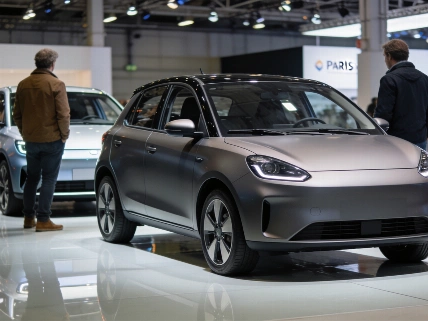
Stellantis Launches STLA One Platform: Focus on Electrification and New Alliances. Stellantis has announced the launch of the new STLA One platform, set to debut in 2027 as the foundation for hybrid and electric models. The company aims to enhance its competitiveness and expand cooperation with Dongfeng to strengthen its position in the European and global markets.
Stellantis has officially confirmed that in 2027 the group will introduce a new platform, STLA One, which is expected to become a key tool for accelerating electrification and improving production efficiency. According to Stellantis Chief Operating Officer in Europe, Emanuele Cappellano, the company aims not only to update its model range, but also to strengthen its position in the global market through technological and strategic solutions.
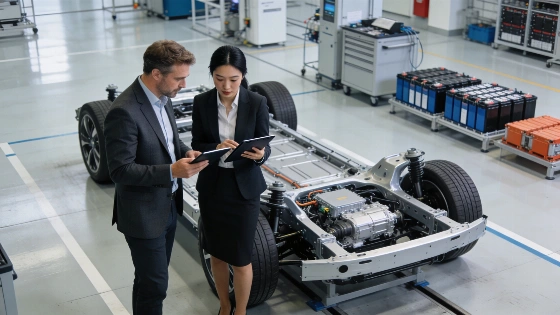
STLA One is a modular architecture designed for a wide range of vehicles: from compact B-segment models to larger C and D segments. The platform will support different types of powertrains, including hybrids (HEV), powerful plug-in hybrids (PHEV), and fully electric versions. According to Cappellano, by standardizing components and making the design more flexible, Stellantis plans to cut production costs by about 20% and speed up the market launch of new models.
With the introduction of STLA One, the range of powertrains is expected to increase by about 35% compared to the group's current lineup. This will enable customers to access more powerful hybrid solutions that were previously available only in select segments. Special attention is being paid to the implementation of LFP (lithium iron phosphate) batteries, which will help reduce dependence on expensive and scarce materials, making electric vehicles more affordable.
The cell-to-body technology, which integrates the battery into the vehicle body structure, will be another step towards reducing weight, lowering production costs, and optimizing energy efficiency. In addition, the platform will support an 800-volt architecture, enabling fast charging and increasing the appeal of Stellantis electric vehicles for European consumers.
By 2030, the company expects up to 50% of all produced vehicles to be built on just three global platforms, with component reuse levels reaching 70%. According to Stellantis, this strategy will not only accelerate model lineup updates but also strengthen supply chain resilience and improve business profitability.
An important part of the new strategy is expanding cooperation with Chinese partners. In addition to its existing alliance with Leapmotor, Stellantis is moving to a new level of collaboration with Dongfeng. The joint venture DPCA will produce two Peugeot models and two Jeep models for the Chinese market and other regions. There are also plans to establish a European joint company with Dongfeng, in which Stellantis will hold a 51% stake. This new alliance will focus on engineering, logistics, and manufacturing, with the first project being the launch of production at the Rennes (France) plant in compliance with Made-in-Europe standards.
The trend toward the development of hybrid and electric models is also becoming apparent among other automotive giants. For example, BYD recently announced its entry into the European market with a hybrid SUV boasting a record driving range — more details can be found in the article about the launch of the BYD Sealion 05.
According to RUSSPAIN, Stellantis' focus on modular platforms and international alliances could significantly shift the balance of power in the European electric vehicle market in the coming years.