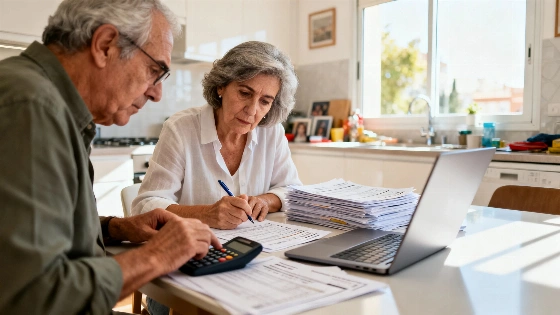
Five Key Points for Pensioners When Filling Out the Income Tax Return. Pensioners in Spain are once again in the spotlight during tax season. Even if a pension is the only source of income, there are details that can affect the final calculation. Let’s examine which sections of the tax return require special attention.
During the tax declaration period, pensioners face a number of specifics that can significantly affect the final result. Although state pensions in Spain are taxed as employment income, carelessness when completing certain sections may lead to overpayment or, conversely, to missed compensation. It is important to remember: not all pensioners are required to file a tax return, but for many, this procedure becomes an annual necessity.
Who should carefully check their tax return
If a pensioner receives only one state pension and its annual amount does not exceed 22,000 euros, provided there is only one source of payments, filing a declaration is not mandatory. However, the situation changes if a person has two or more sources of income: in that case, the limit drops to 15,876 euros per year, and payments from the second and subsequent sources must exceed 1,500 euros per year. That is why it is important to carefully check all amounts and sources before confirming the data, to avoid mistakes that could lead to additional questions from the tax authorities.
Five sections affecting the final result
Among the most significant points that require special attention from pensioners are the following:
- minimums for personal and family circumstances;
- regional tax deductions;
- amount of taxes withheld from the pension;
- additional income;
- capital income.
Each of these sections can change the final amount to pay or refund. Even a small inaccuracy or omission may require a later correction of the tax return.
Personal and Family Allowances: Why They Matter
Personal and family circumstance allowances are portions of income not subject to tax, reducing the taxable base. For pensioners, this is especially important as the amount increases with age: the basic allowance is €5,550, with an additional €1,150 for those over 65 and another €1,400 for those over 75. These amounts do not depend on the size of your income but are determined solely by age and family status. Preliminary calculations often overlook age-related increases or display the date of birth incorrectly, leading to errors in the final sum.
Regional Deductions and Additional Income
Each autonomous community has its own tax benefits, many of which are intended for older people, those with disabilities, or pensioners incurring specific expenses—such as rent or medical services not covered by social security. It is important not to miss these opportunities and to properly reflect them in the tax return.
It is equally important to check whether the correct amount of tax was withheld from your pension. If withholdings were below the required amount, the final amount due may be higher than expected. If too much was withheld, the pensioner is entitled to a refund. In addition, all additional income—whether from property rental, bank interest, dividends, or payments from pension funds—must be reflected in the corresponding sections. Errors in these areas may require the declaration to be revised later.
Questions related to the proper reporting of income and deductions become especially relevant against the backdrop of changes in legislation and taxation practices. For example, after the repeal of certain temporary measures on rental housing, many pensioners found themselves needing to review their tax obligations, as discussed in detail in the article on new risks for tenants on russpain.com.
Accuracy and calm are the keys to a correct declaration
Pensioners are advised not to rush in confirming the preliminary calculation and to carefully verify all information. Even if it seems that the declaration has been filled out automatically and no mistakes are possible, experience shows that the main risks lie in the details. Paying close attention to each section helps avoid unnecessary expenses and provides confidence in the accuracy of your tax obligations.