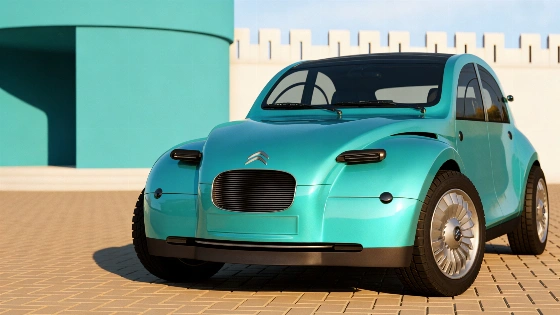
Citroën Brings Back the 2 CV: Electric Car for 15,000 Euros to Rival Renault 5. Citroën has officially announced the return of the 2 CV in an all-electric version. The model will launch in Europe in 2026 at a price under 15,000 euros. The French brand is focusing on simplicity, minimalism, and iconic design to compete with the Renault 5 and attract mainstream buyers.
Editorial diagnostics
- Key fact: Citroën has officially announced the return of the 2 CV as an affordable electric car to be released in Europe in 2026, priced under 15,000 euros.
- Superfluous: Repeated comparisons with the Renault 5, lengthy historical digressions, general musings on nostalgia and the democratization of electromobility, details about the platform without explaining their importance.
- Unique contribution: Added an explanation of why Citroën is focusing on simplicity and minimalism, how this relates to the market situation and infrastructure in Spain, who benefits and who loses from such positioning, what limitations and risks this approach entails, and what is still unknown about production and specifications.
- Uncertainties: Production location not confirmed, technical specifications not disclosed, unclear how service and support will be provided, no information on possible market limitations.
Citroën brings back the 2 CV: the €15,000 electric car will rival the Renault 5
Citroën has officially announced the return of the iconic 2 CV model in an electric version. The new electric car will appear in Europe in 2026 and will cost under €15,000, making it one of the most affordable on the market.
News summary
Citroën is launching a new 2 CV—a fully electric version of the legendary car aimed at the mass market. The model will be built on the affordable Smart Car platform and will feature a simple configuration without unnecessary options. The key focus is minimalism, recognizable design, and a low price to compete with models like the Renault 5, but in a more budget-friendly segment.
Why this matters
The return of the 2 CV is not just a nostalgic gesture. It's Citroën's attempt to enter the affordable electric car segment, which is currently almost empty: most new electric vehicles are significantly more expensive. For the European market, where demand for inexpensive transport is growing and environmental requirements are tightening, this kind of product could become mainstream. Additionally, it's a response to the success of the Renault 5, which demonstrated that customers are willing to pay for recognizable style and simplicity.
Context
The Citroën 2 CV is one of the most famous models in the history of the European automotive industry. The original 2 CV was a symbol of affordability and simplicity for post-war Europe. Now, the brand is bringing back these values, focusing on minimalism and repairability, in contrast to most competitors who are moving upmarket. The use of lithium iron phosphate batteries and a simplified platform allows the price to stay below €15,000—a rarity for electric vehicles in Europe.
Who this affects
- Potential buyers of affordable electric vehicles in Europe, especially in countries with developing charging infrastructure (such as Spain).
- Families, elderly drivers, young people looking for their first car, as well as those who value simplicity and low maintenance costs.
- The automotive market and competitors in the budget segment, including Renault, Dacia, and new Chinese brands.
What could change
- The arrival of the new 2 CV could intensify competition in the affordable electric vehicle segment and push other manufacturers to lower their prices.
- Localizing production in Spain could support local industry and create jobs, if the decision is made.
- Mass adoption of such models could accelerate the transition to electromobility among less affluent groups of the population.
What is still unknown
- Where exactly the new 2 CV will be produced—the localization decision has not yet been confirmed.
- Exact technical specifications: range, power, configurations, and options have not been revealed yet.
- Whether the model will be available outside Europe and how after-sales service will be organized.
How not to misinterpret
- The new 2 CV is not a retro copy, but a modern electric car focused on simplicity and affordability. One should not expect a complete repeat of the original design or technical solutions.
- A price of under 15,000 euros is the starting cost for the base version; additional options may increase the final price.
- It is too early to speak about real demand: the success of the Renault 5 does not guarantee automatic success for the 2 CV; much will depend on infrastructure and support.
Conclusion
The return of the Citroën 2 CV in an electric format is an attempt to fill the vacant niche of affordable electric vehicles in Europe and bring back the mass consumer. The ultimate success will depend on pricing, localization of production, and the market’s readiness for simple yet reliable electric cars. It’s important to watch the details: technical specifications, sales terms, and competitors’ reactions.